
Hardscaping in Little Rock Arkansas can turn an ordinary yard into a more functional, organized, and enjoyable outdoor space with features such as patios, walkways, retaining walls, steps, and other durable landscape elements. Exterior Solutions of Little Rock provides hardscape solutions for homeowners and businesses looking to improve the way their outdoor areas look and function.
A successful hardscape should do more than add stone, concrete, or pavers to a property. The layout should work with the surrounding landscape, provide practical areas for movement or gathering, and complement the appearance of the property. Whether you are planning a patio, improving access through your yard, adding structure to a sloped area, or creating a more complete outdoor living environment, thoughtful planning is an important first step.
Exterior Solutions of Little Rock serves Little Rock and surrounding Central Arkansas communities. Contact the team to discuss your property, ideas, and hardscaping needs.
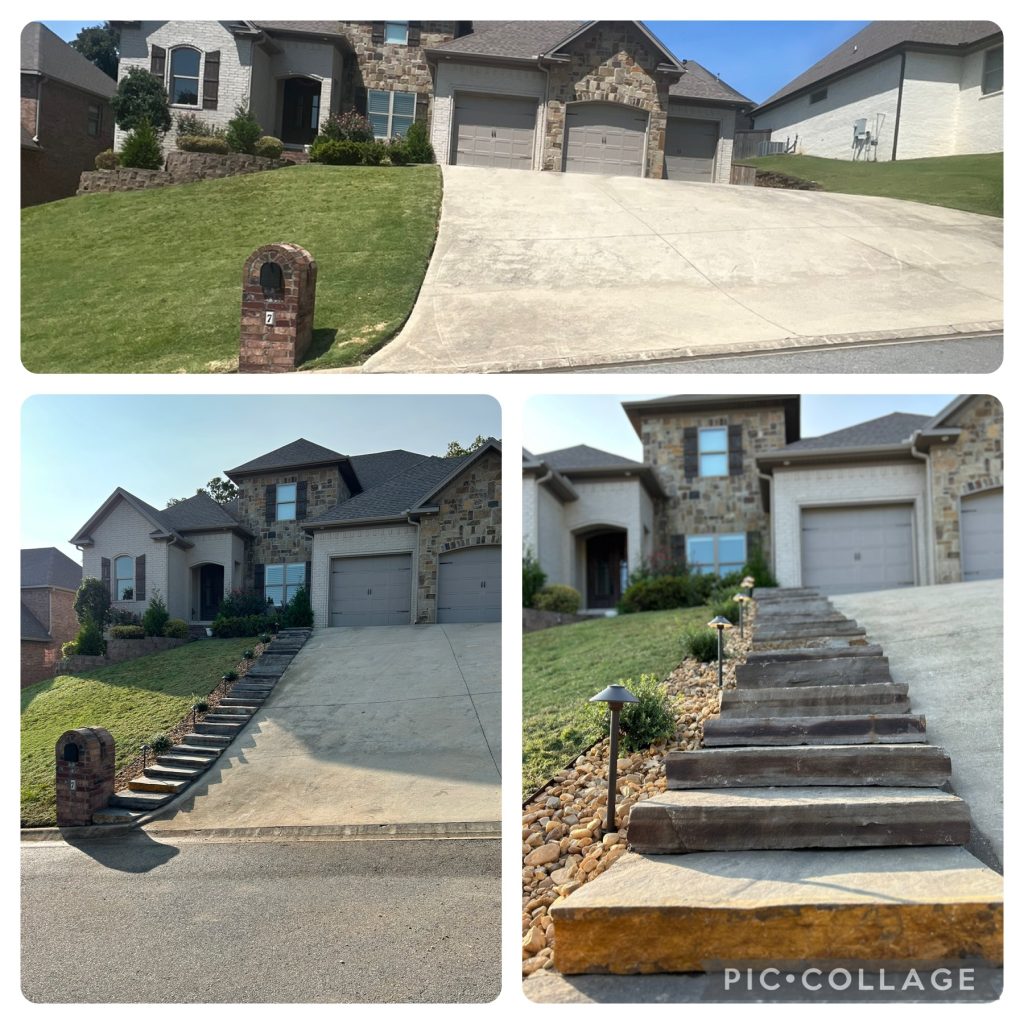
Hardscape Features for Functional Outdoor Spaces
Hardscaping refers to the non-living, constructed features used within a landscape. While lawns, trees, shrubs, and gardens make up the softer living portions of a yard, hardscape elements provide structure and usable surfaces.
Depending on the property and project goals, hardscaping can include patios, walkways, pathways, retaining walls, steps, driveways, and other constructed outdoor features. Hardscape planning can also be part of a larger outdoor living project that incorporates gathering areas, fire features, pergolas, or other landscape improvements.
The right combination depends on how you use your property. A homeowner who wants a comfortable place for outdoor seating may prioritize a patio, while another property may benefit more from a defined walkway or retaining feature. Planning around actual use helps create an outdoor space that feels intentional rather than crowded with disconnected features.
What Can Hardscaping Add to Your Little Rock Property?
Hardscape improvements can solve several practical design challenges while giving a landscape a more finished appearance. Defined surfaces can make it easier to move between different parts of the property, create dedicated areas for seating and entertaining, and establish visual separation between lawns, gardens, and other landscape features.
Patios and Gathering Areas
A patio provides a defined surface for outdoor furniture, dining, relaxing, and spending time with family or guests. The appropriate layout should consider available space, how people will enter and leave the area, and how the patio connects with the home and surrounding landscape.
Material selection also affects the final appearance. Concrete, pavers, natural stone, and other materials offer different textures and design possibilities. Rather than choosing a material based only on appearance, consider how it fits with the property and how the space will be used.
Walkways Paths and Steps
Walkways and pathways help organize movement around a property. They can connect entrances, patios, gardens, driveways, and other frequently used areas while adding definition to the overall landscape.
Properties with changes in elevation may also benefit from thoughtfully positioned steps or stairways. Proper placement is especially important because these features should feel like a natural part of the landscape rather than an obstacle within it.
Retaining Walls and Landscape Structure
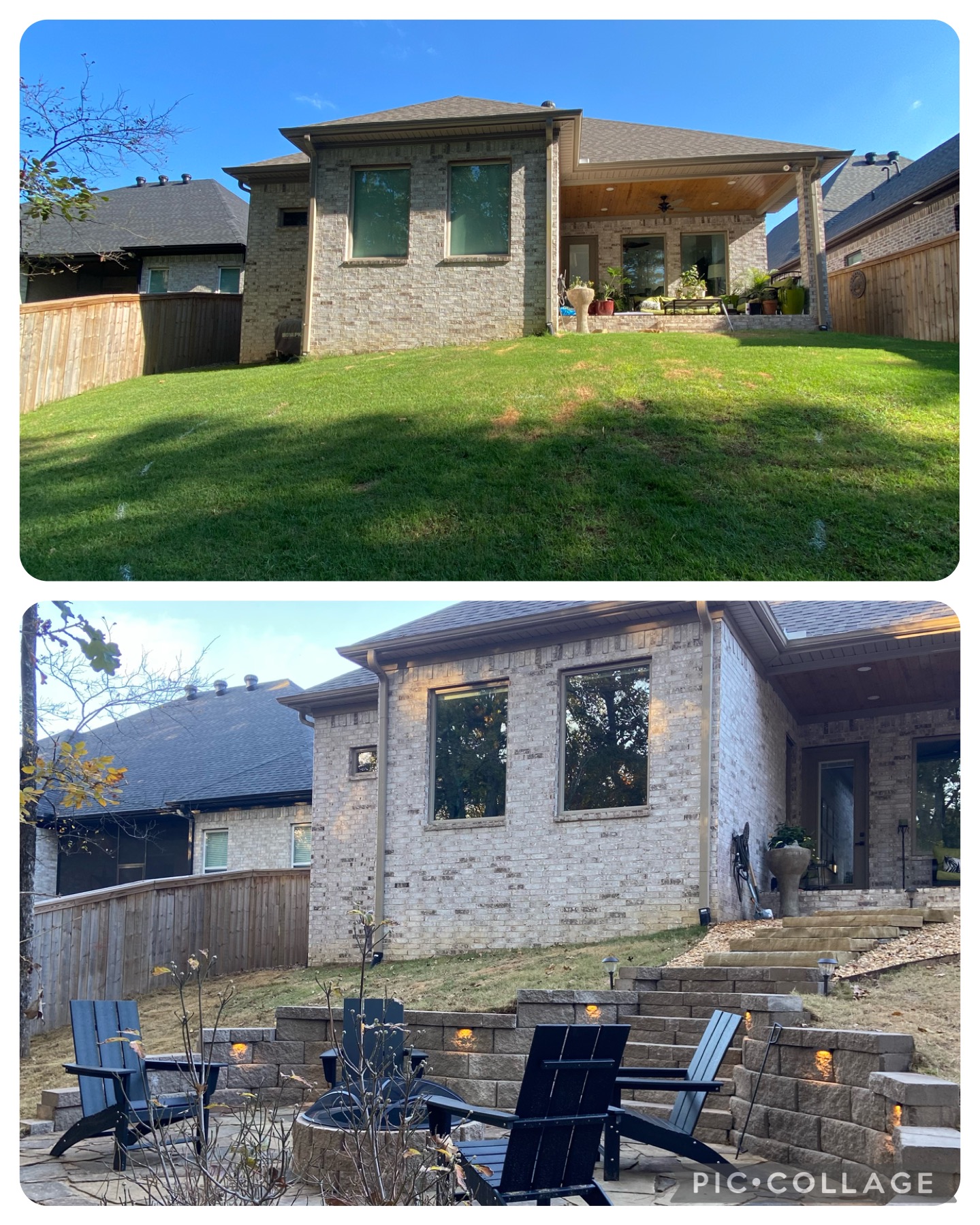
Retaining walls can provide structure where changes in grade or soil elevation need to be managed. They may also help create more defined planting areas or usable sections within a landscape.
Because retaining walls can have functional responsibilities beyond appearance, their design should account for the specific conditions of the property. Drainage, grading, wall placement, and the surrounding landscape all deserve consideration before construction begins.
Planning Hardscaping Around Your Property
Good hardscape design begins with the site rather than a predetermined feature. Before deciding where a patio, walkway, wall, or other element should go, it helps to think about how the existing property functions.
Consider where people naturally walk, where water tends to move after rain, how different elevations affect the yard, and which outdoor areas you currently use most. It is also useful to think about how a new hardscape feature will interact with lawns, planting beds, irrigation, lighting, and future landscape improvements.
Drainage deserves particular attention. Adding constructed surfaces can change how water moves across a property, which makes grading and water management important considerations during planning. Looking at the outdoor area as one connected system can produce a more practical result than treating each improvement as an isolated project.
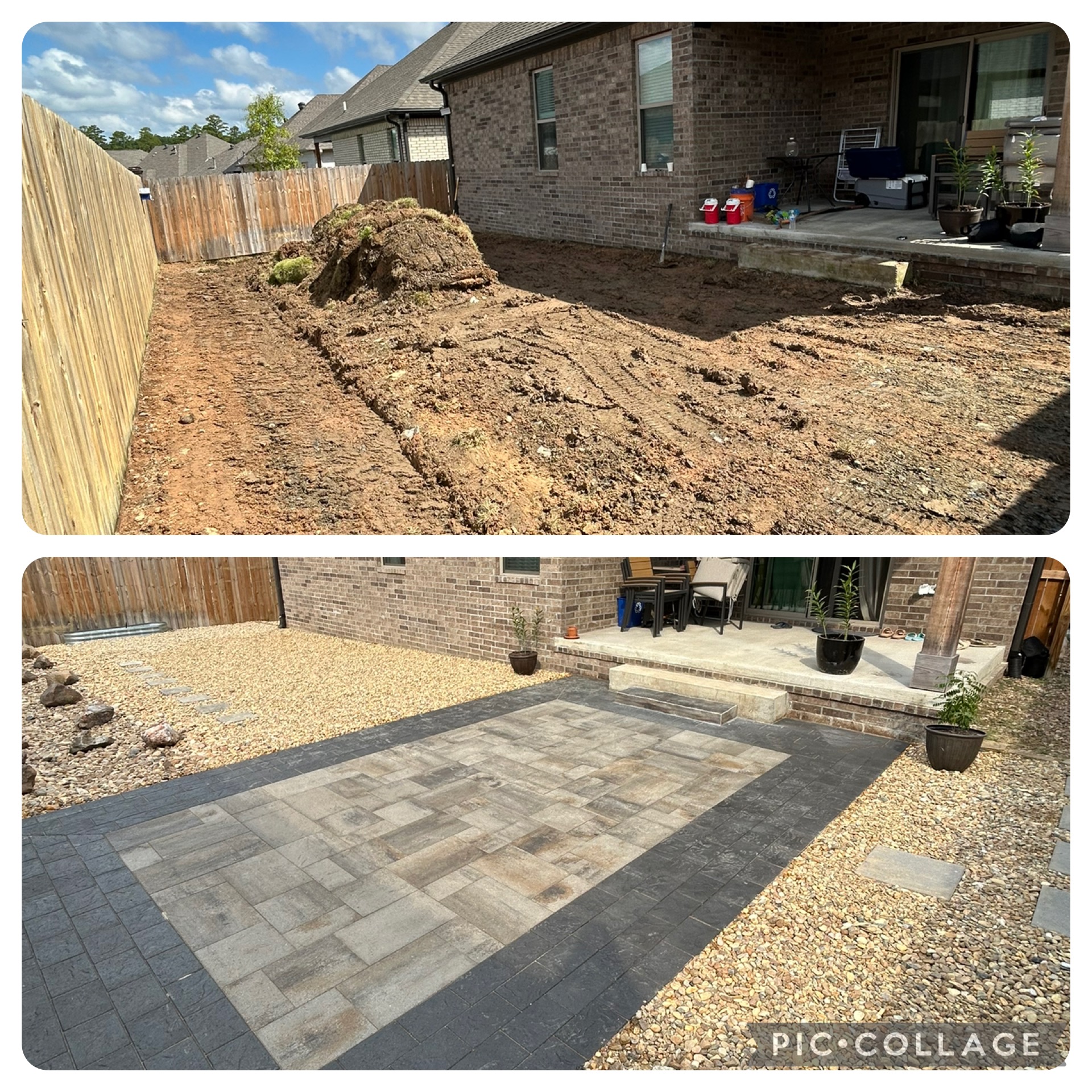
Choosing Materials for Your Hardscape
Hardscape materials influence appearance, texture, maintenance needs, and how well a feature fits the surrounding property. Common options can include concrete, brick, pavers, natural stone, wood, metal, and other materials depending on the type of feature being built.
A material that works well for a walkway may not necessarily be the preferred option for every patio, step, or retaining feature. Consider the architectural style of your property, surrounding landscaping, intended use, surface texture, and long-term maintenance when comparing options.
Color is another consideration. Hardscape materials do not need to match every part of the home exactly, but coordinating tones and textures can help the outdoor environment feel connected to the building and existing landscape.
Hardscaping and Landscape Design Work Better Together
Hardscape and softscape elements perform different jobs, but they are often most effective when planned together. Patios and pathways provide structure, while plants, lawns, trees, and planting beds can soften constructed surfaces and add natural texture.
A balanced design can also make individual features feel more intentional. A walkway can guide people through planted areas. A patio can become the central gathering point of an outdoor living space. Retaining features can help organize changes in elevation while creating opportunities for surrounding landscaping.
Exterior Solutions of Little Rock provides landscaping in addition to hardscape services, making it possible to consider the relationship between constructed features and the rest of the outdoor environment when planning improvements.
What to Consider Before Starting a Hardscape Project
Before deciding on a specific design, think about what you want the finished area to accomplish. Start with function: Do you need more room for outdoor seating? A clearer route through the yard? Better organization of a sloped area? A defined gathering space?
Next, consider the size and placement of the feature. A hardscape should be proportionate to the surrounding property and leave enough room for landscaping and comfortable movement.
Drainage and grading should also be considered before construction. Water needs to move appropriately around hardscape features and nearby structures. Existing irrigation, landscaping, access points, and future improvements may also influence the final plan.
Finally, consider maintenance. Hardscape generally requires less routine care than living landscape elements, but surfaces can still need cleaning and occasional attention as they age. Some materials may require different maintenance than others.
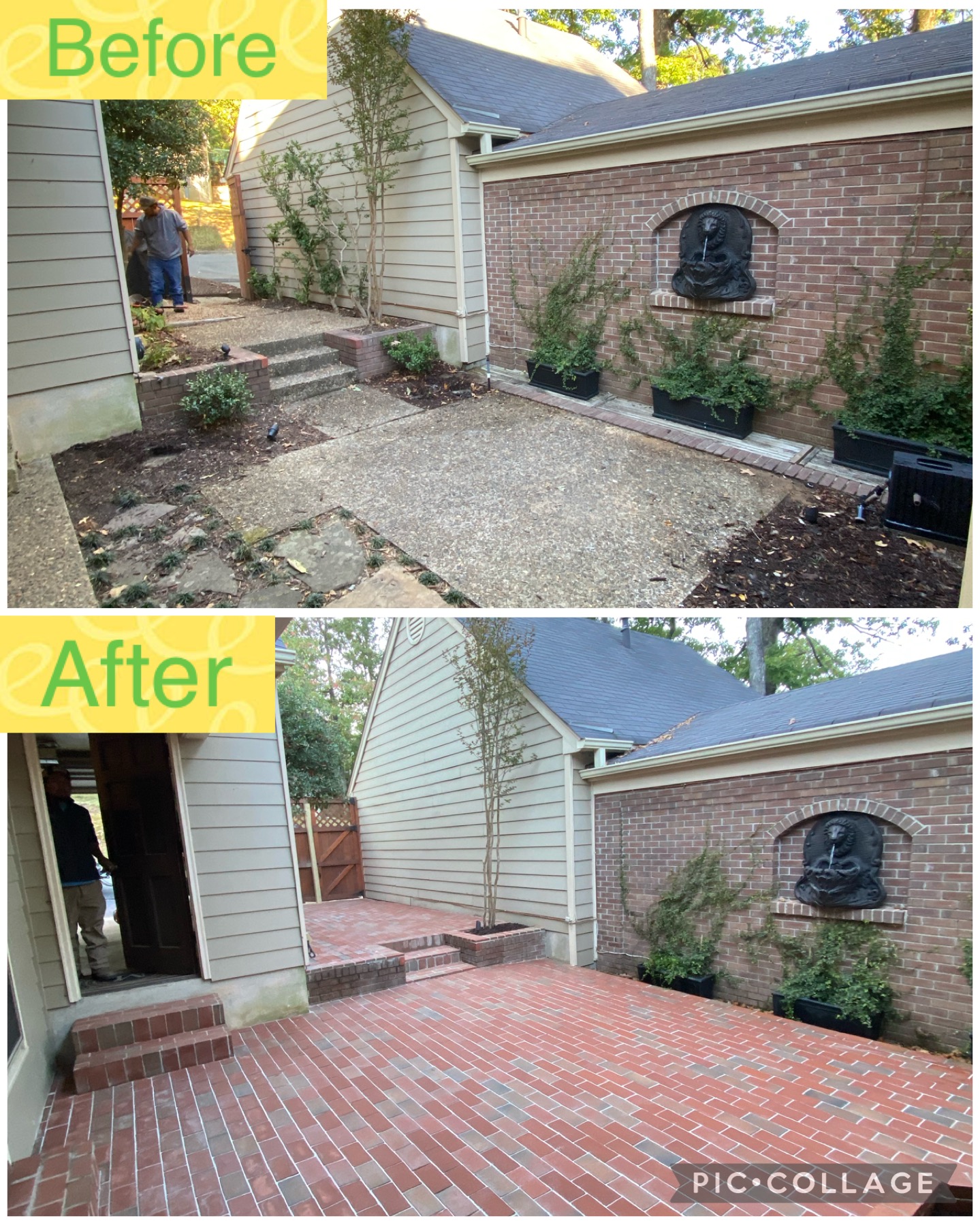
Maintenance of Hardscape
A Practical Hardscaping Process
A hardscape project should begin by identifying what you want to improve and examining the conditions of the property. This creates a foundation for decisions about layout, materials, dimensions, and connections with existing landscape features.
After the goals and site conditions are understood, the project can move into planning. This stage is where the location and purpose of each feature should be considered alongside grading, drainage, surrounding landscaping, and everyday use.
Material selection follows the overall design direction. The goal is to choose materials that support the intended function while complementing the property.
Once construction is complete, the surrounding landscape can help integrate the new feature into the rest of the yard. The result should feel like part of the property rather than an isolated addition.
Why Consider Exterior Solutions of Little Rock?
Exterior Solutions of Little Rock is a locally owned and operated company serving Little Rock and surrounding Central Arkansas communities. Its services include hardscaping as well as broader landscaping solutions, allowing property owners to consider both constructed and living elements when improving an outdoor area.
The company’s hardscape service covers features such as patios, walkways, driveways, retaining walls, steps, stone pathways, and other constructed landscape elements. This range makes hardscaping suitable for projects focused on usability, outdoor living, landscape organization, or visual improvement.
If you are unsure which hardscape feature makes sense for your property, begin with the problem you want the outdoor space to solve. From there, the design and material choices can be evaluated around your goals and the existing site.
Frequently Asked Questions About Hardscaping in Little Rock Arkansas
What is considered hardscaping?
Hardscaping generally refers to non-living constructed features within a landscape. Examples include patios, walkways, driveways, retaining walls, steps, pathways, and other structural outdoor elements.
What is the difference between landscaping and hardscaping?
Landscaping is a broad term that can include both living and constructed outdoor features. Softscape usually refers to living elements such as grass, trees, shrubs, and flowers, while hardscape refers to constructed elements such as patios, walls, paths, and steps.
Can hardscaping be combined with landscaping?
Yes. In many outdoor designs, the two work together. Hardscape can establish pathways, gathering spaces, boundaries, and structure, while lawns and plantings provide natural texture and soften constructed areas.
What should I consider before adding a patio or walkway?
Think about how the area will be used, how people will move through it, available space, drainage, grading, surrounding landscaping, and how the materials will complement the property.
Does hardscaping require maintenance?
Hardscape features generally require some ongoing care. Depending on the surface and material, maintenance may include cleaning, controlling vegetation around joints, monitoring shifting or cracking, and addressing repairs when necessary.
How do I start planning a hardscape project?
Begin by identifying what you want to change about your outdoor space and how you want to use it. Consider the location, size, existing landscaping, drainage, access, and preferred appearance. Exterior Solutions of Little Rock can discuss your needs and help determine an appropriate direction for the project.
Same Service We Provide In Your Nearby Area
- Hardscaping West Little Rock Arkansas
- Hardscaping North Little Rock Arkansas
- Hardscaping Bryant Arkansas
- Hardscaping Benton Arkansas
- Hardscaping Maumelle Arkansas
Other Services We Provide In Your Area
- Landscaping Little Rock Arkansas
- Landscape Design Little Rock Arkansas
- Retaining Walls Little Rock Arkansas
- Patio Installation Little Rock Arkansas
- Outdoor Living Spaces Little Rock Arkansas
Start Planning Your Little Rock Hardscape Project
A well-planned hardscape can make an outdoor area easier to use while adding definition and structure to the surrounding landscape. The right solution starts with understanding your property, how you want to use the space, and how each new feature will connect with the rest of the yard.
If you are considering a patio, walkway, retaining feature, or another hardscape improvement in Little Rock, contact Exterior Solutions of Little Rock to discuss your project and request more information.