
Landscaping in Little Rock Arkansas can bring lawn areas, plants, patios, walkways, drainage, irrigation, lighting, and outdoor living features together in one functional outdoor environment. Exterior Solutions of Little Rock provides residential landscaping services designed around the existing conditions of the property and the homeowner’s goals for the space.
A successful landscape is about more than adding plants or improving one section of the yard. Slopes, drainage, lawn conditions, hardscaping, irrigation, planting areas, access, lighting, and future improvements can all influence how the property looks and functions. Considering these elements together can create a landscape that feels organized and connected to the home.
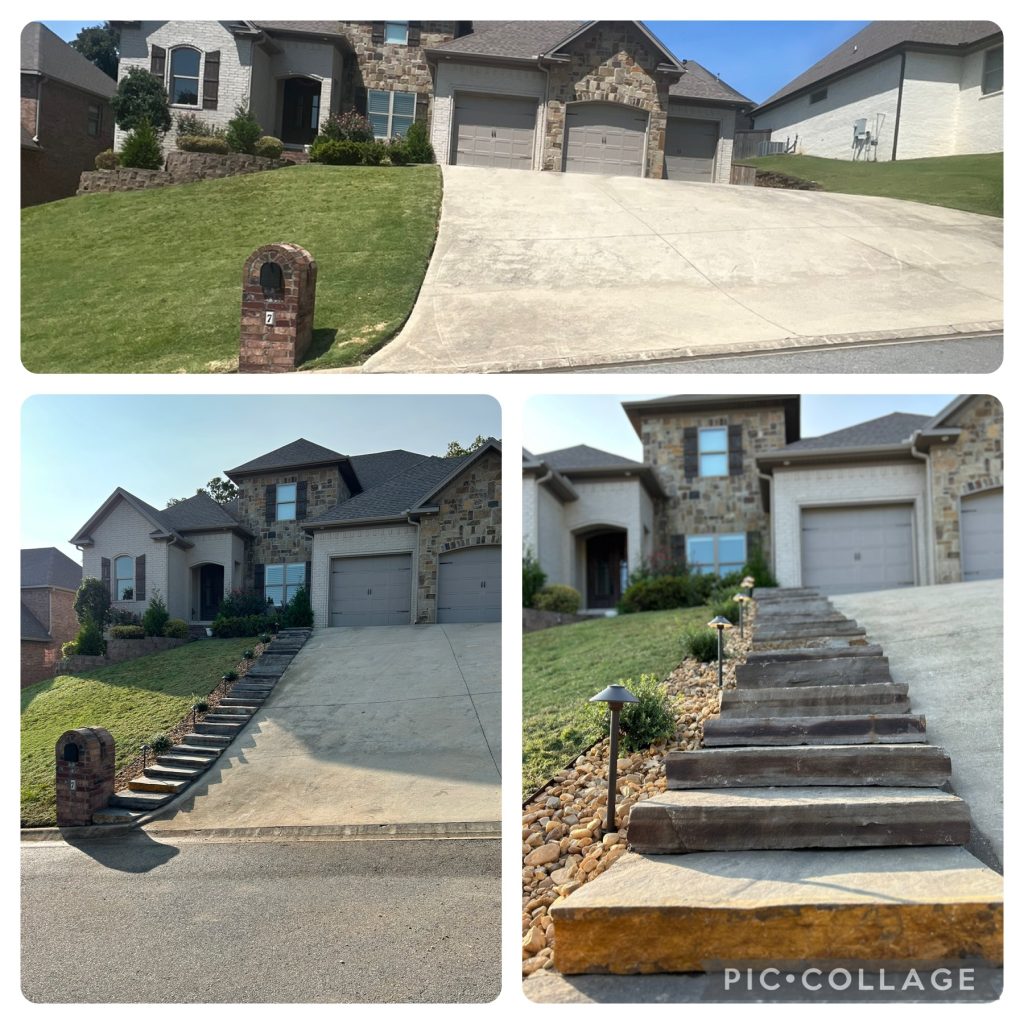
Create an Outdoor Space That Works for Your Property
Every landscape starts with different conditions.
One property may have an established lawn that needs updated planting and hardscaping. Another may need grading, drainage, sod, and irrigation before decorative improvements are added. Some homeowners may want to create a larger outdoor living area centered around a patio.
The right approach depends on both the property and how you want to use it.
Before improvements begin, it helps to identify the areas that currently work well, the areas that need attention, and the features you would like to add.
This provides a clearer direction for the overall landscaping project.
Landscape Design and Planning
Thoughtful landscaping starts with planning.
Landscape design considers where different features should be positioned and how they should relate to one another.
Existing Landscape Conditions
Trees, lawn areas, slopes, planting beds, patios, walkways, and other existing features can influence the new layout.
Some may remain as part of the finished landscape, while others may need to be modified.
How You Use Your Outdoor Space
Consider what you want your yard to provide.
You may need open lawn for everyday activities, a patio for entertaining, planting areas for visual interest, pathways for easier movement, or outdoor spaces designed for relaxing.
These priorities can help guide the layout.
Future Improvements
Even if every improvement is not being completed immediately, future plans are worth considering.
Leaving room for a future patio, pergola, outdoor kitchen, lighting, or other feature can make the landscape easier to expand later.
Planting and Landscape Beds
Planting areas help define the visual character of a landscape.
Trees, shrubs, flowers, and other plants can frame the home, soften hardscape features, create transitions between spaces, and add texture throughout the property.
Plant selection should be based on more than appearance.
Available space, sunlight, surrounding features, and the mature size of the plant can all influence where it should be placed.
A coordinated planting plan can also help avoid a landscape that feels crowded or disconnected as plants mature.
Lawn and Sod Installation
Lawn areas provide open green space and can connect different sections of the property.
If an existing lawn is extensively worn, bare, or being replaced as part of a larger renovation, sod installation may be considered.
Before new sod is installed, the underlying area should be evaluated.
Grading, drainage, irrigation, and the boundaries between grass and nearby planting or hardscape areas can influence the finished lawn.
When sod is incorporated into a complete landscaping project, it can be coordinated with the other features instead of treated as a separate improvement.
Hardscaping for Functional Outdoor Areas
Hardscaping introduces durable constructed features into the landscape.
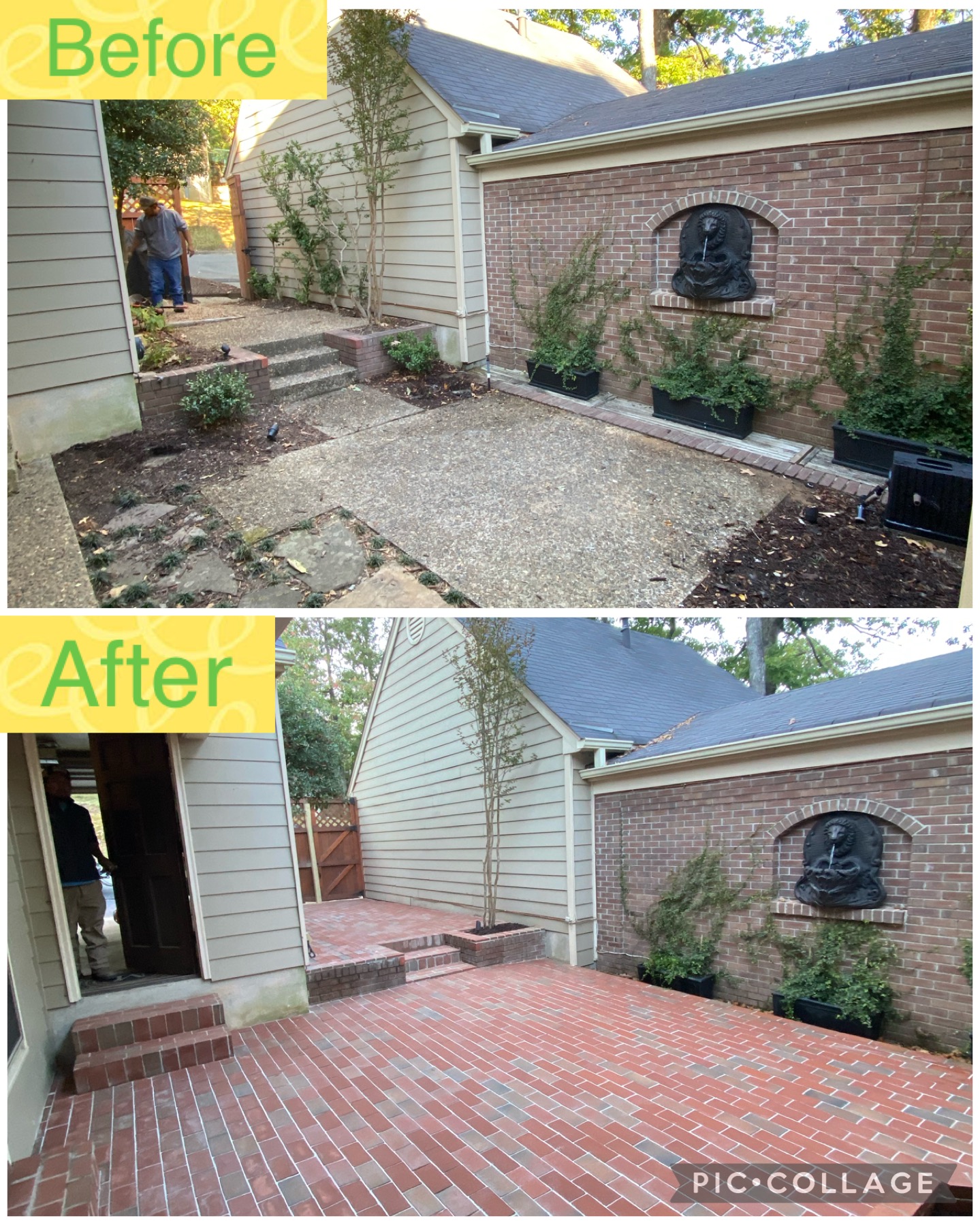
Patios, walkways, retaining walls, steps, and similar elements can provide structure while defining how different parts of the property are used.
Hardscaping should work with the surrounding landscaping.
For example, planting beds can soften patio edges, while walkways can create convenient connections between the home, lawn, and outdoor living spaces.
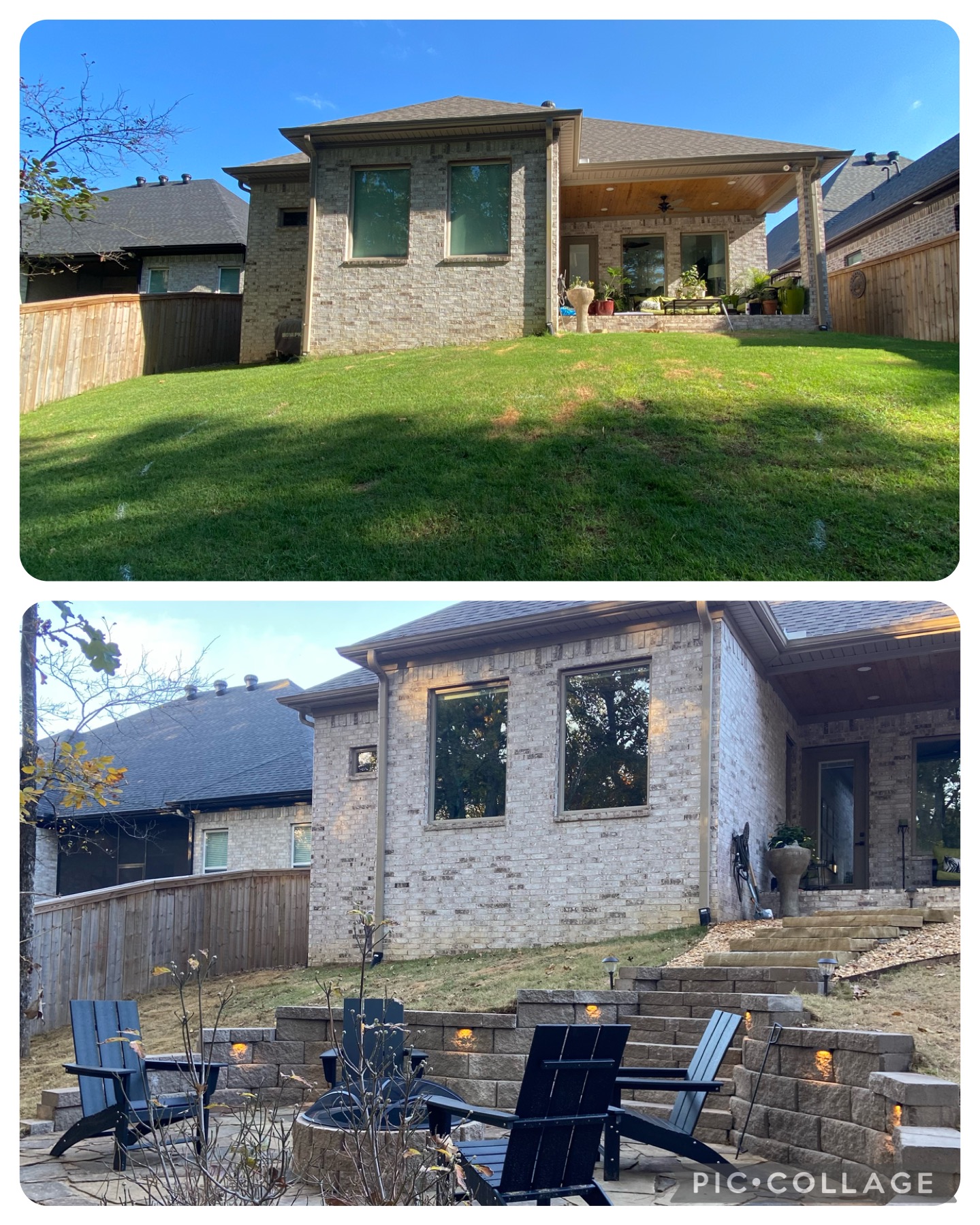
Retaining walls may also help define elevation changes while becoming part of the overall visual design.
Exterior Solutions provides hardscaping alongside its landscaping services, allowing these features to be planned together.
Patio Installation
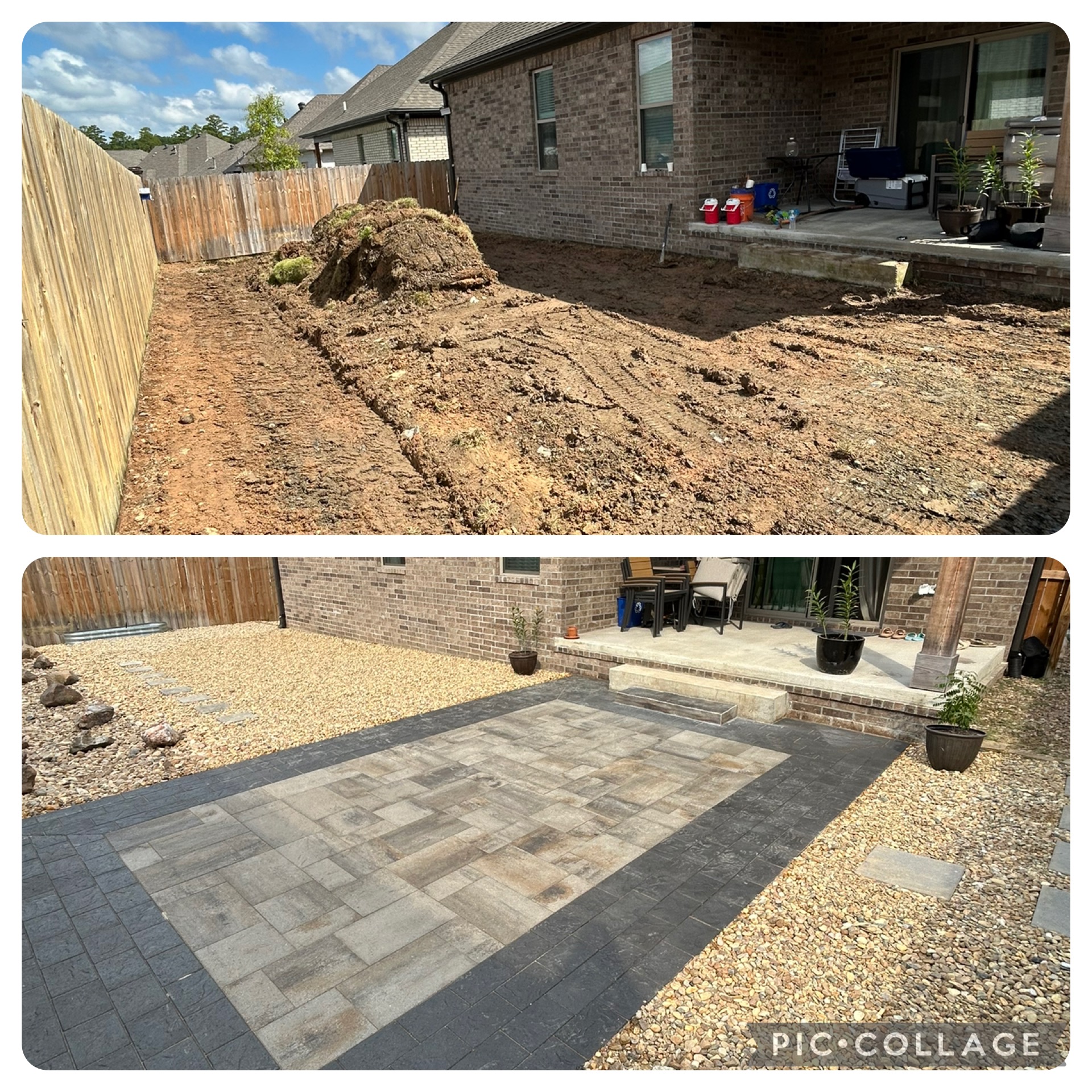
A patio can create a dedicated area for dining, relaxing, or entertaining outdoors.
The appropriate size and location depend on how the space will be used and how it connects with the home and surrounding yard.
Furniture requirements should be considered before determining the final layout.
A dining table, chairs, grill, and seating area all require enough room for comfortable movement.
The patio can also be coordinated with planting areas, walkways, retaining walls, landscape lighting, and other outdoor features.
Yard Grading
The shape of the ground can influence many parts of a landscaping project.
Uneven areas, low sections, and changes in elevation may affect lawns, patios, walkways, drainage, and other improvements.
Yard grading can reshape portions of the property when appropriate.
If substantial grading is necessary, it is generally useful to evaluate it before new sod, planting beds, or finished landscape features are installed.
This allows the underlying terrain to be addressed as part of the site preparation.
Drainage Solutions
Water movement should be considered when planning landscaping.
Standing water, wet lawn sections, runoff, or low areas can indicate that drainage conditions deserve evaluation.
The source of the water matters.
Existing slopes, roof runoff, hard surfaces, irrigation, soil conditions, and surrounding landscape features can all influence where water travels.
Exterior Solutions provides drainage solutions that can be considered alongside grading and other landscape improvements when needed.
Addressing drainage before completing major landscape changes can help avoid covering an existing issue without understanding its cause.
Irrigation for Lawns and Landscapes
Irrigation can help provide water to lawn and planting areas according to the needs of the landscape.
Different sections of a property may require different watering approaches. Lawn areas do not necessarily have the same needs as shrubs, gardens, or other planting zones.
Exterior Solutions provides irrigation services designed around individual landscapes.
Considering irrigation during the planning stage can help coordinate watering areas with sod, planting beds, patios, pathways, and other features.
Retaining Walls
Retaining walls can become both functional and visual components of a landscape.
They may be incorporated where changes in elevation need to be managed or where different levels of the landscape need clearer definition.
Retaining walls can also work with patios, planting areas, walkways, and outdoor living spaces.
Because they interact with slopes and soil, drainage should be considered during retaining wall planning.
The design should respond to the specific conditions of the property rather than treating every slope the same way.
Landscape Lighting
Landscape lighting can extend the usability of outdoor areas into the evening while highlighting selected landscape and architectural features.
Pathways, patios, steps, planting areas, gardens, and outdoor living spaces are among the areas where lighting may be considered.
Exterior Solutions provides landscape lighting services, including options for pathways, gardens, architectural features, and other outdoor areas.
Planning lighting alongside the landscape can help coordinate fixture locations with the features they are intended to illuminate.
Outdoor Living Spaces
Landscaping can also create spaces specifically designed for spending more time outdoors.
Outdoor kitchens, fire pits, pergolas, seating areas, and patios can become part of a broader outdoor living plan.
These features should be positioned with movement and usability in mind.
For example, cooking and dining areas need enough room for people to move comfortably, while seating areas should connect naturally with nearby pathways and landscape features.
Surrounding plants and lighting can help integrate outdoor living areas into the rest of the property.
Coordinating Landscape Construction
Larger landscaping projects may involve several types of work.
Grading, drainage, hardscaping, retaining walls, irrigation, planting, sod, and lighting may all be part of the same property improvement.
The sequence of these improvements can matter.
Major site preparation generally needs to be considered before finished lawn and planting areas. Hardscape work may also need to be completed before nearby sod or delicate plants are installed.
Planning the complete project first can help establish a more logical construction sequence.
What to Consider Before Starting Your Landscaping Project
Before beginning a landscaping project, think about both the problems you want to address and the improvements you want to make.
Consider:
-
Existing lawn conditions
-
Trees and planting areas
-
Slopes and elevation changes
-
Drainage concerns
-
Yard grading
-
Patios and walkways
-
Retaining walls
-
Sod installation
-
Irrigation needs
-
Landscape lighting
-
Outdoor living areas
-
Future improvements
You do not need to know exactly how every feature should be designed.
Identifying your priorities and how you want to use the property provides a useful starting point for developing the landscape.
Maintenance of Hardscape
Frequently Asked Questions About Landscaping
What can a landscaping project include?
Depending on the property, landscaping can include design, planting, sod, irrigation, grading, drainage, patios, walkways, retaining walls, landscape lighting, hardscaping, and outdoor living features.
Can landscaping include patios and hardscaping?
Yes. Hardscape features such as patios, walkways, steps, and retaining walls can be incorporated into the overall landscape design.
Should drainage be considered before installing new landscaping?
If drainage concerns already exist, they should be evaluated before major landscape improvements are completed. This can help determine whether grading or another drainage approach should be incorporated into the project.
Can sod and irrigation be installed together?
Sod and irrigation can be coordinated as part of a larger landscaping project. Planning irrigation around the lawn and planting areas can help establish appropriate watering zones.
Can landscape lighting be added to an existing yard?
Yes. Landscape lighting can be incorporated into existing landscapes as well as planned alongside new patios, pathways, planting beds, and outdoor living areas.
Can landscaping include outdoor living features?
Yes. Outdoor kitchens, fire pits, pergolas, seating areas, patios, and related features can be incorporated into a broader landscape and hardscape plan.
Same Service We Provide In Your Nearby Area
Landscaping West Little Rock Arkansas
Landscaping North Little Rock Arkansas
Other Services We Provide In Your Area
Landscape Design Little Rock Arkansas
Landscape Construction Little Rock Arkansas
Hardscaping Little Rock Arkansas
Sod Installation Little Rock Arkansas
Outdoor Living Spaces Little Rock Arkansas
Start Your Landscaping Project in Little Rock
A well-planned landscape can connect lawn areas, plants, patios, walkways, irrigation, lighting, drainage, and outdoor living features into a more useful and attractive property.
Exterior Solutions of Little Rock can help plan and complete landscaping improvements based on your property’s existing conditions and the way you want to use your outdoor space.