
Landscape Design in Little Rock Arkansas creates a clear plan for combining plants, lawns, patios, walkways, retaining walls, lighting, irrigation, and outdoor living features into one functional outdoor environment. Exterior Solutions of Little Rock helps homeowners plan landscapes around their property’s existing conditions, desired features, and the way they want to use their outdoor space.
Good landscape design considers more than appearance. The layout of the property, existing slopes, drainage, sunlight, movement between different areas, hardscaping, planting locations, irrigation needs, and future improvements can all influence the final plan. Looking at these elements together can help create an outdoor space that feels connected to both the home and surrounding landscape.
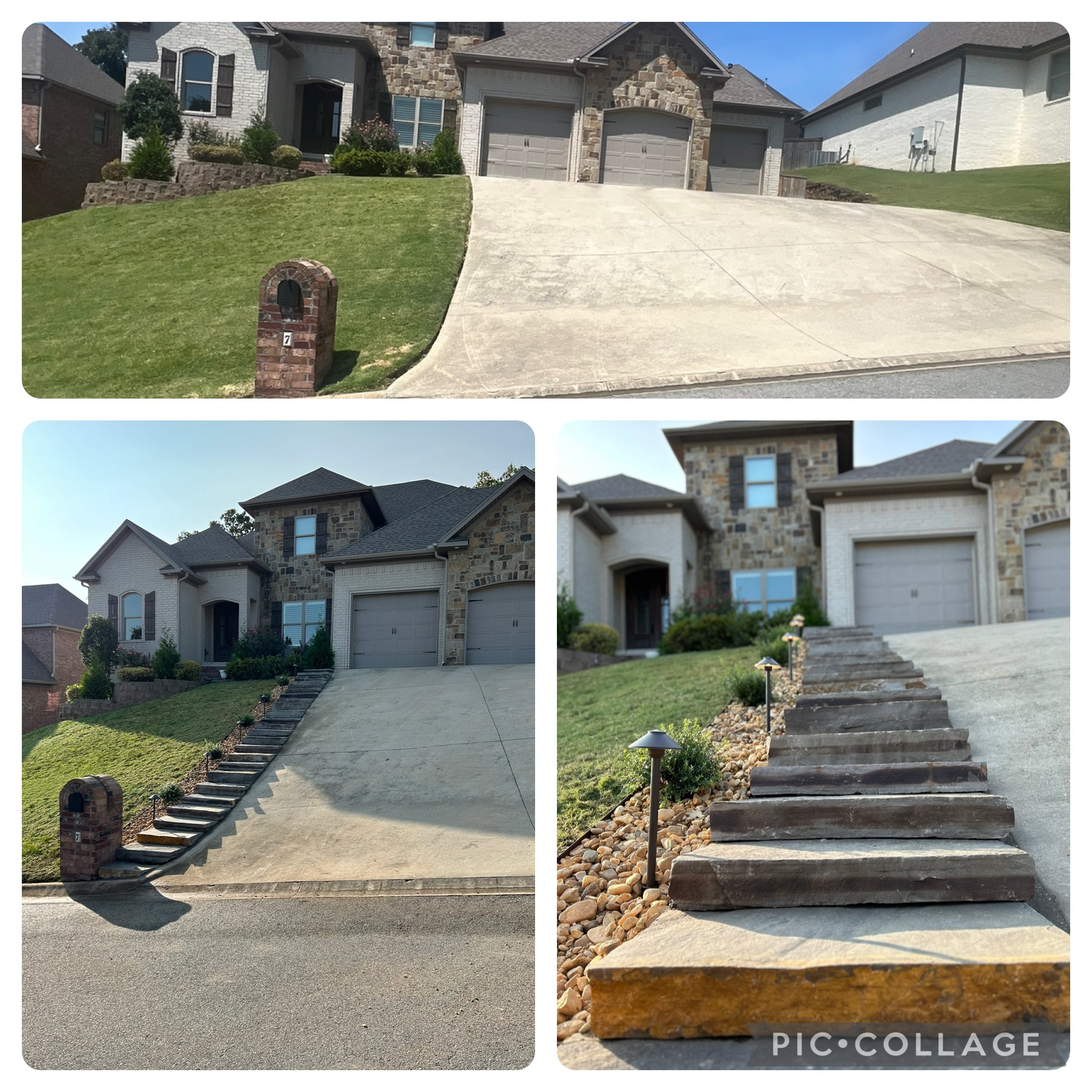
Design an Outdoor Space Around Your Property
Every property begins with a different layout.
Some yards already have established lawns and mature landscape features that need to be incorporated into a new design. Others may require more extensive changes involving grading, drainage, planting, hardscaping, or new outdoor living areas.
The design process should respond to those existing conditions rather than forcing the same layout onto every property.
It is also important to understand how you want to use the space.
You may want an area for outdoor dining, more attractive planting beds, improved pathways, a patio for entertaining, additional lawn, or a combination of several features.
Defining these priorities creates a stronger foundation for the overall landscape plan.
Custom Landscape Planning in Little Rock
A useful landscape plan brings individual features together instead of treating each one as a separate addition.
Evaluate the Existing Landscape
Existing conditions can influence almost every design decision.
Slopes, lawn areas, trees, planting beds, patios, walkways, drainage patterns, irrigation, and other features should be considered before deciding what needs to change.
Some elements may remain exactly as they are, while others can be incorporated into a redesigned layout.
Identify How You Use the Yard
Outdoor spaces should support the activities that matter to the homeowner.
A family that frequently entertains may prioritize a patio and gathering area. Someone focused on gardening may want more planting space. Another property may need better connections between the home, lawn, and outdoor features.
Understanding how the yard will be used can help determine where different elements belong.
Plan for Future Improvements
Not every landscape improvement needs to happen at the same time.
If you plan to add a patio, outdoor kitchen, pergola, retaining wall, landscape lighting, or another feature later, considering it during the initial design can help preserve space and create a more flexible layout.
Landscape Design and Planting Areas
Plants are an important part of landscape design because they help establish the character and structure of outdoor areas.
Trees, shrubs, flowers, and other plantings can frame patios, define boundaries, soften hardscape surfaces, and create transitions between different sections of the property.
Plant selection should account for the conditions where each plant will be placed.
Available space, sunlight, surrounding features, and the overall design should all be considered. The mature size of plants also matters because a landscape will continue to change after installation.
Planning planting areas thoughtfully can create a more organized landscape and reduce the appearance of disconnected additions.
Hardscaping in Landscape Design
Hardscaping provides structure and usable surfaces within the landscape.
Patios, walkways, retaining walls, steps, and other constructed features can influence how people move through and experience the property.
These features should be considered during landscape design rather than added without regard to surrounding lawn and planting areas.
For example, the shape of a patio can influence nearby planting beds. A walkway may establish the route between the home and outdoor living area. A retaining wall may define a change in elevation while becoming part of the visual landscape.
Coordinating hardscape and softscape elements can produce a more cohesive outdoor environment.
Patio Design and Outdoor Gathering Areas
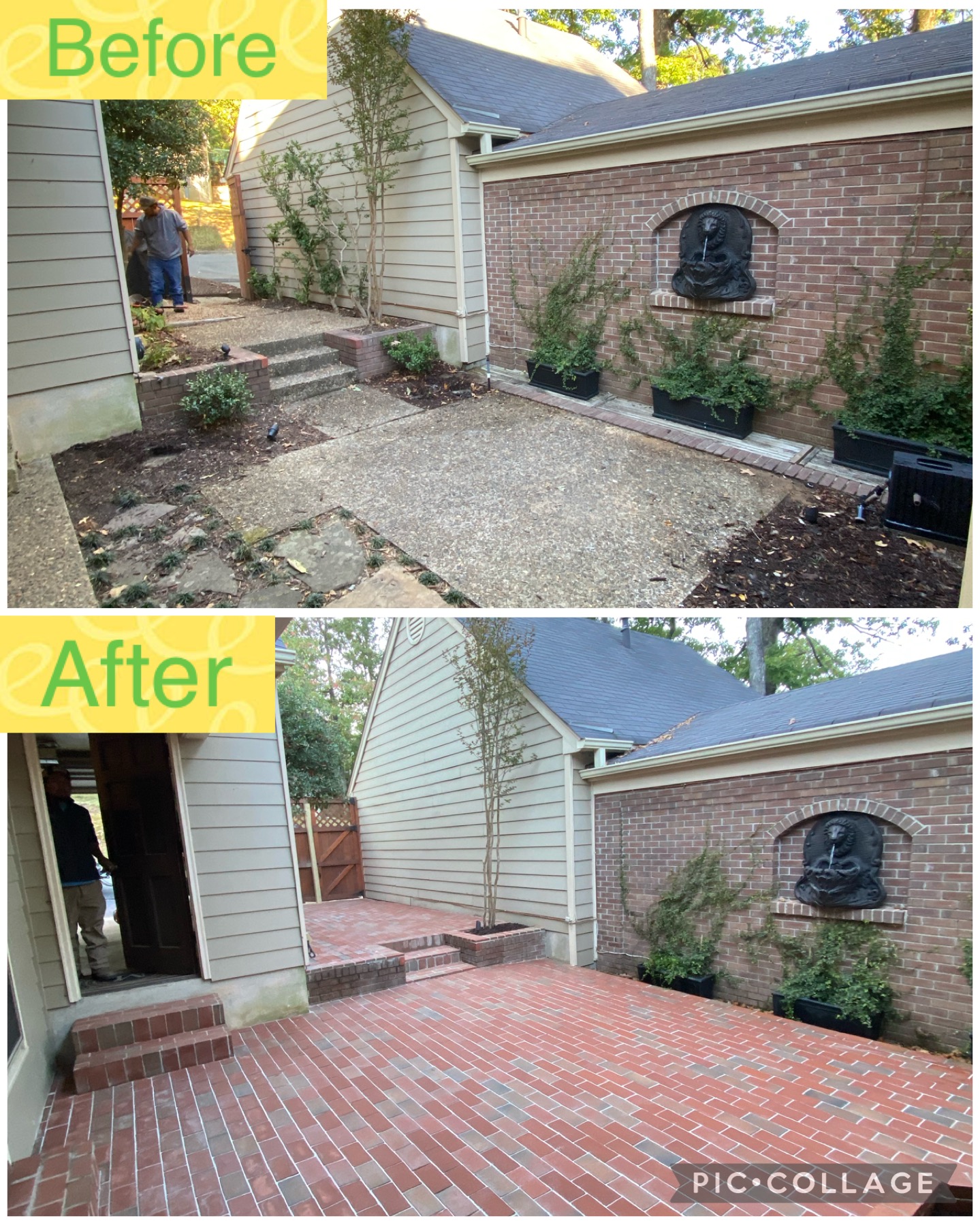
A patio often becomes one of the most frequently used areas of a residential landscape.
Its size, shape, and location should reflect its intended purpose.
Outdoor dining requires enough room for tables, chairs, and comfortable movement. A relaxation area may need space for lounge furniture. A larger entertainment area may incorporate multiple seating zones or additional outdoor features.
The connection between the patio and home should also be considered.
Convenient access can make the space easier to use, while surrounding landscaping can help the patio feel integrated into the yard.
Retaining Walls and Landscape Elevation
Properties with slopes or significant elevation changes may require additional design consideration.
Retaining walls can sometimes help create defined transitions between different landscape levels while contributing to the overall hardscape design.
Grading may also be relevant depending on the conditions of the property.
Rather than treating elevation as a problem to hide, landscape design can consider how different levels influence lawns, patios, walkways, planting areas, and outdoor living spaces.
Drainage should also be evaluated whenever changes in grade or retaining features are part of the plan.
Drainage and Yard Grading
Water management is an important practical consideration in landscape design.
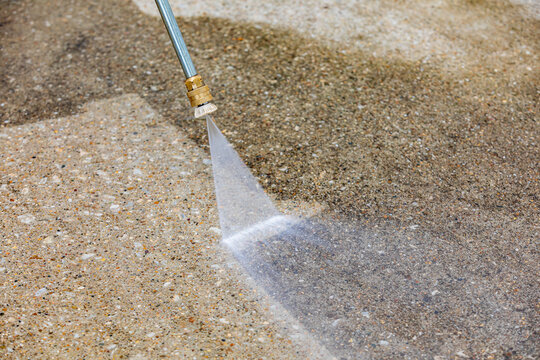
Existing slopes, low areas, downspouts, patios, driveways, walkways, and other features can influence how water moves through a property.
If drainage concerns are already present, they should be considered before installing new sod, planting beds, or hardscape features.
Yard grading may also be relevant when preparing areas for new landscaping.
Exterior Solutions provides drainage solutions and yard grading, allowing these conditions to be considered alongside other landscape improvements where appropriate.
Sod and Lawn Design
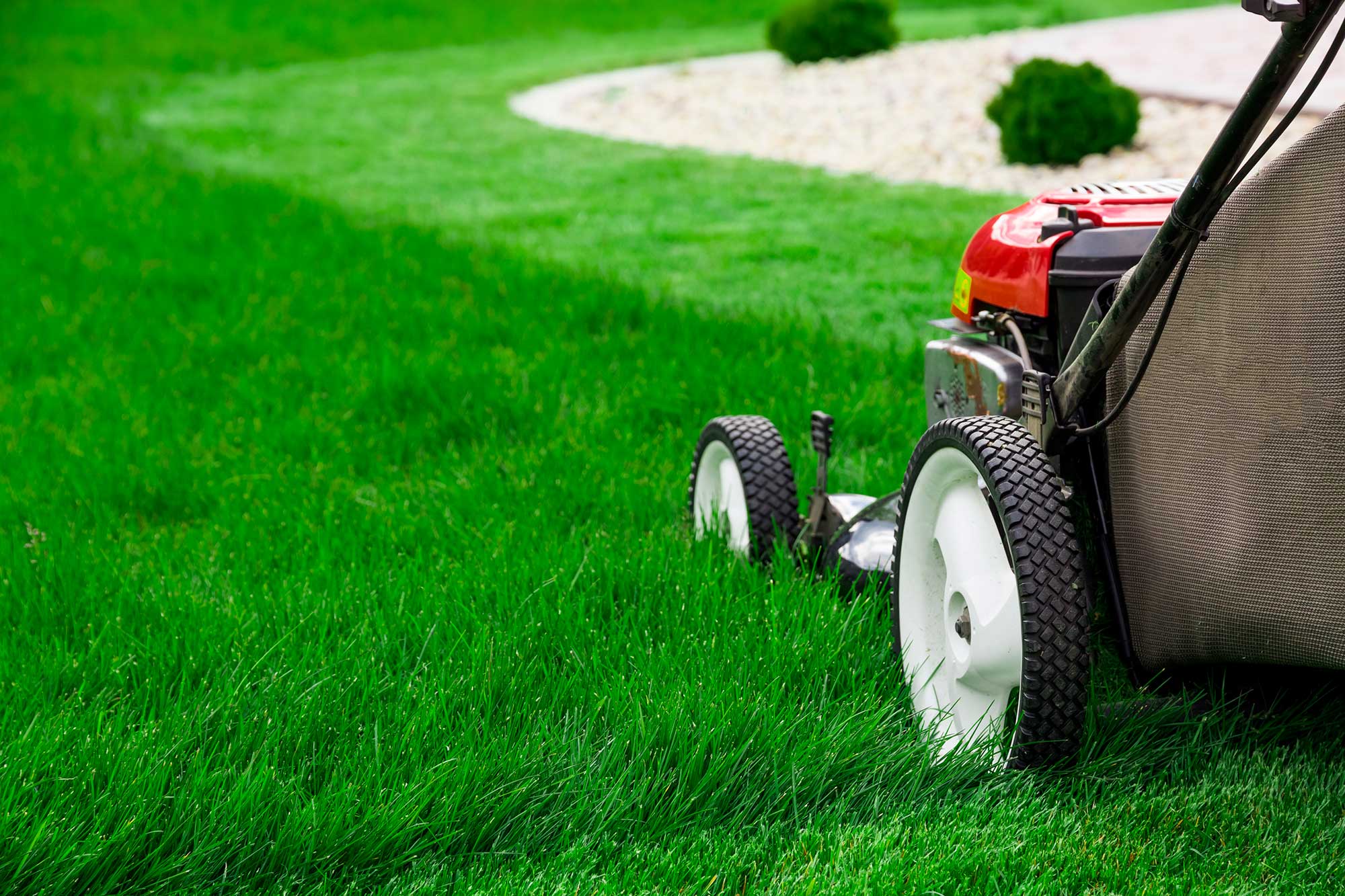
Lawn areas can provide open space and visual separation between planting beds and hardscape features.
The amount and shape of lawn should be determined according to the overall landscape rather than assuming that every available area needs grass.
Sod installation can be incorporated into a new landscape plan when a fresh lawn is needed.
The boundaries between sod, planting beds, patios, walkways, and other areas should be planned carefully to create clean transitions.
Irrigation should also be considered when new lawn areas are part of the project.
Irrigation Planning
A landscape design should consider how lawns and plants will receive water.
Different parts of the property can have different watering requirements. Lawn areas, garden beds, shrubs, and other plantings may therefore need to be considered separately when irrigation is planned.
Exterior Solutions provides irrigation services designed around landscape needs.
Considering irrigation during the design stage can help coordinate the system with planting beds, sod, patios, walkways, and other outdoor features before the landscape is completed.
Landscape Lighting Design
Landscape lighting can improve the nighttime usability and appearance of outdoor spaces.
Pathways, patios, steps, gardens, architectural features, and outdoor living areas are among the places where lighting may be incorporated.
The best time to think about lighting is during the broader landscape planning process.
Fixture locations can then be coordinated with planting areas and hardscaping instead of being treated as an unrelated addition after the project is finished.
Exterior Solutions provides landscape lighting options that can be incorporated into a larger outdoor design.
Design Outdoor Living Spaces
Outdoor living features can extend the functional space of the home into the landscape.
Exterior Solutions includes features such as outdoor kitchens, fire pits, pergolas, and seating areas within its outdoor living services.
These features can be planned around patios and connected through walkways, landscaping, and lighting.
A successful layout should provide enough space for the intended activities without making movement through the area difficult.
Considering furniture, cooking areas, seating, pathways, and surrounding landscaping during the design process can help create a more comfortable environment.
Bringing Landscape Features Together
One of the most important purposes of landscape design is coordination.
A patio should relate to nearby walkways and planting beds. Retaining walls should respond to elevation and drainage. Irrigation should support lawns and plants. Landscape lighting should complement the spaces people use after dark.
When these elements are planned independently, the finished yard can feel fragmented.
Considering the property as a complete outdoor environment makes it easier to establish relationships between different features and determine the appropriate sequence for future construction.
What to Consider Before Starting Your Landscape Design
Before beginning a landscape project, think about what currently works and what you would like to change.
Consider:
-
How you currently use the yard
-
How you want to use it in the future
-
Existing lawn and planting areas
-
Trees and other landscape features
-
Slopes and elevation changes
-
Drainage concerns
-
Patio and walkway needs
-
Retaining walls
-
Sod installation
-
Irrigation
-
Landscape lighting
-
Outdoor living features
-
Future improvements
You do not need to have every design decision made before discussing the project. Identifying your priorities is a useful starting point.
Frequently Asked Questions About Landscape Design
What does landscape design include?
Landscape design can include planning for lawn areas, planting beds, trees, patios, walkways, retaining walls, grading, drainage, irrigation, landscape lighting, and outdoor living features depending on the property and project.
Why should I plan my landscape before construction?
Planning helps establish how different outdoor features will connect, where they should be positioned, and which improvements should be completed first. This can create a more coordinated construction process.
Can hardscaping be included in landscape design?
Yes. Patios, walkways, retaining walls, steps, and other hardscape features can be planned together with lawns, plants, and other landscape elements.
Can landscape design address drainage?
Existing drainage conditions can be considered during landscape planning. When drainage problems are present, appropriate drainage or grading improvements may need to be evaluated before other features are installed.
Can irrigation and lighting be included in the plan?
Yes. Irrigation and landscape lighting can be coordinated with planting areas, lawns, patios, pathways, and outdoor living features.
Can I plan for improvements that will be installed later?
Yes. Considering future patios, lighting, outdoor living features, or other additions during the initial design can help create a landscape that accommodates later improvements.
Same Service We Provide In Your Nearby Area
Landscape Design West Little Rock Arkansas
Landscape Design North Little Rock Arkansas
Landscape Design Bryant Arkansas
Landscape Design Benton Arkansas
Landscape Design Maumelle Arkansas
Other Services We Provide In Your Area
Landscaping Little Rock Arkansas
Landscape Construction Little Rock Arkansas
Hardscaping Little Rock Arkansas
Patio Installation Little Rock Arkansas
Outdoor Living Spaces Little Rock Arkansas
Start Your Landscape Design Project in Little Rock
Thoughtful landscape design can create a clear direction for your outdoor space before construction begins. By considering planting, hardscaping, drainage, grading, irrigation, lighting, lawn areas, and outdoor living features together, the finished landscape can feel more functional and connected.
Exterior Solutions of Little Rock can help develop an outdoor plan based on your property’s existing conditions and the features you want to incorporate.