
Retaining Walls in Little Rock Arkansas can help manage changes in elevation, define landscape areas, and create more functional transitions throughout an outdoor space. Exterior Solutions of Little Rock incorporates retaining walls into landscaping and hardscaping projects based on the layout, slope, drainage conditions, and design needs of each property.
A retaining wall should be planned as more than a decorative feature. Its location, height, surrounding grade, drainage, materials, and relationship with nearby patios, walkways, planting beds, and lawn areas can all affect the project. Careful planning helps the wall become an integrated part of the landscape rather than an isolated structure.
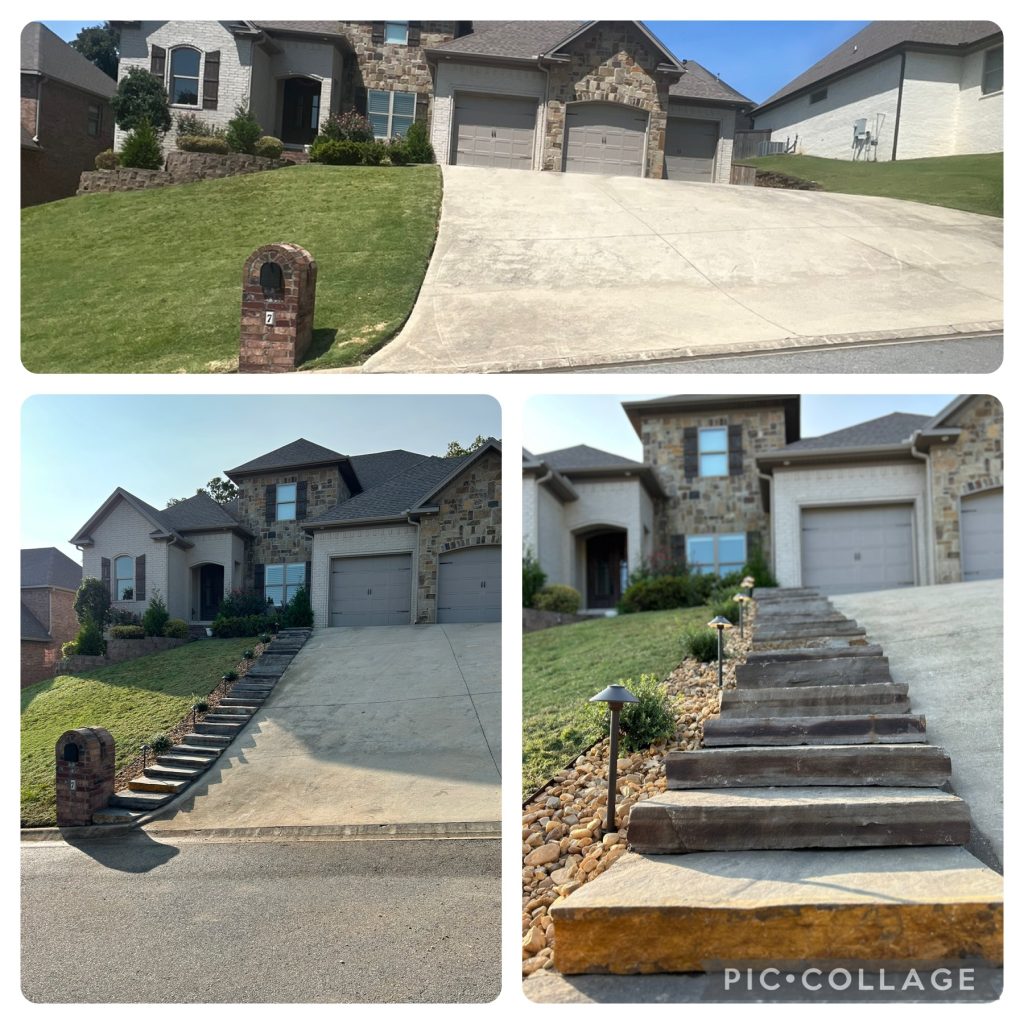
Functional Retaining Walls for Your Landscape
Properties with changes in elevation can present challenges when planning lawns, planting beds, patios, walkways, and outdoor living areas.
A retaining wall can help define different levels within the landscape and create a clearer transition between higher and lower areas.
The exact purpose varies from property to property. One wall may support a raised planting area, while another may be incorporated into a hardscape project or used where a slope needs a more structured transition.
Understanding the purpose of the wall is an important first step because its function influences the design.
When to Consider a Retaining Wall
Not every slope requires a retaining wall, but certain landscape conditions may make one worth considering.
Changes in Yard Elevation
A noticeable difference in elevation can make some portions of a property more difficult to incorporate into the overall landscape.
Retaining walls can create defined transitions between different levels and help organize the outdoor space.
Sloped Landscape Areas
Sloped yards can influence where lawns, planting areas, patios, and pathways can be positioned.
Depending on the property, a retaining wall may become part of a larger design that works with these elevation changes.
Raised Planting Areas
Retaining walls can also help define raised landscape or garden areas.
These features can create separation between planting beds and surrounding lawn or hardscape while adding structure to the overall landscape design.
Hardscape and Outdoor Living Projects
A patio, walkway, or outdoor living area may interact with a sloped section of the property.
When elevations differ, retaining walls can sometimes help create transitions between the constructed area and surrounding landscape.
Retaining Wall Design in Little Rock
A retaining wall should work with both the functional needs and appearance of the property.
Its shape, location, material, surrounding landscaping, and relationship with the home should all be considered.
A wall that is visually disconnected from the rest of the property may feel like an afterthought. Coordinating it with patios, walkways, landscape beds, and other hardscape elements can create a more cohesive result.
Exterior Solutions provides landscape design and hardscaping services, allowing retaining walls to be considered within the broader outdoor plan.
Retaining Walls and Yard Grading
Retaining walls and grading are often connected because both deal with changes in ground elevation.
Grading reshapes the ground, while a retaining wall can create a more defined separation between different levels.
Depending on the site, one approach may be more appropriate than another, or the project may involve both.
Before changing a slope, it is important to understand how the proposed work will affect surrounding lawn areas, landscaping, structures, and water movement.
Exterior Solutions also provides yard grading, making it possible to evaluate grading and retaining wall needs together when appropriate.
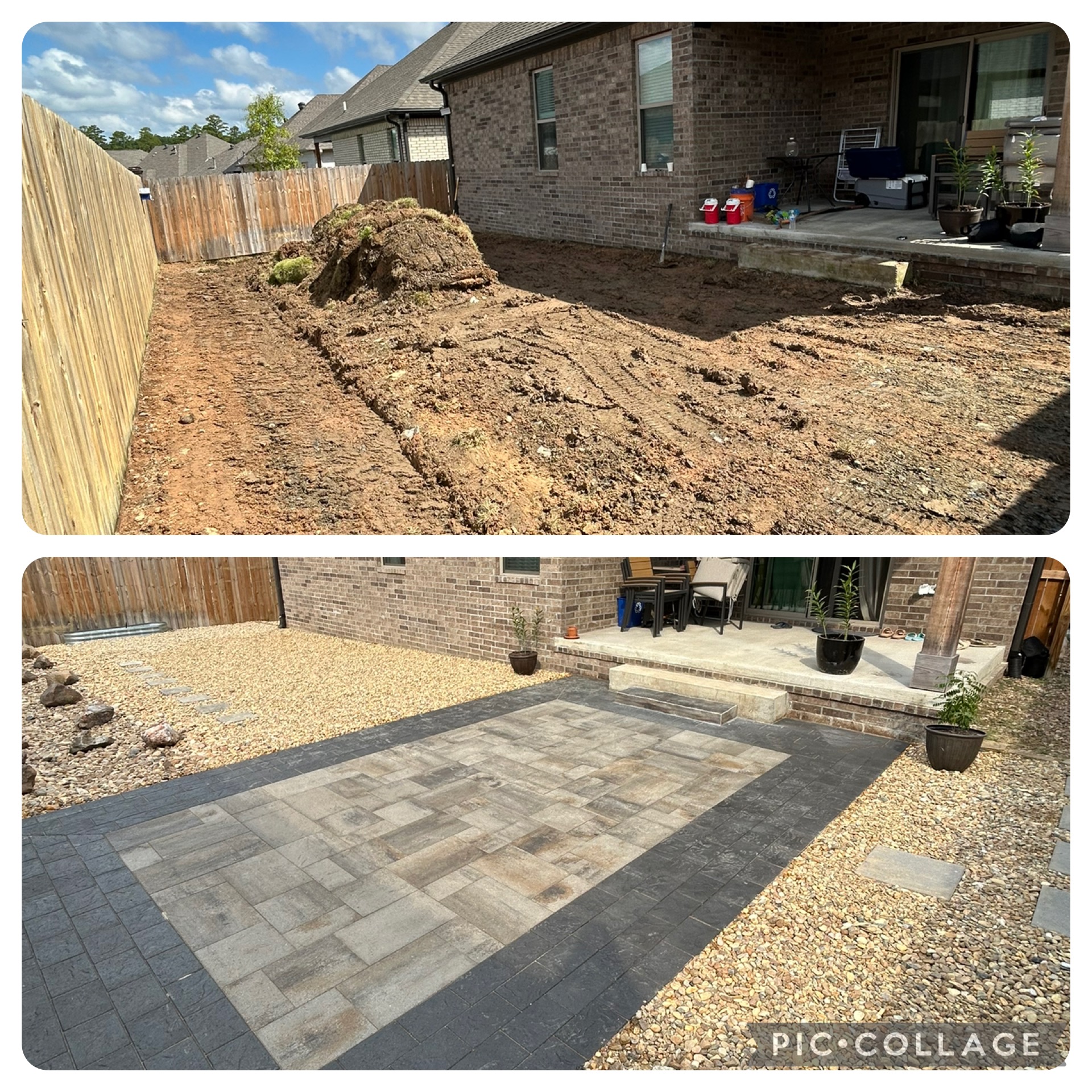
Drainage Around Retaining Walls
Drainage is an important consideration when planning retaining walls.
Water can move through soil and collect around changes in elevation, so the way water is managed around a retaining structure needs careful attention.
The appropriate drainage approach depends on the specific wall, surrounding terrain, soil, and landscape conditions.
Exterior Solutions provides drainage solutions as part of its landscaping services, allowing drainage concerns to be considered alongside retaining walls and grading.
Looking at these elements together can help create a more coordinated landscape plan.
Retaining Walls and Patio Installation
Patios and retaining walls can work together when an outdoor living area is located near a slope or change in elevation.
A retaining wall may help define the edge of a patio area, separate different landscape levels, or create a transition between the patio and surrounding yard.
The design should consider how people will move through the area.
Steps, walkways, seating arrangements, planting beds, and access from the home may all influence the appropriate layout.
Planning the patio and retaining features together can create a more intentional outdoor environment.
Combine Retaining Walls With Landscaping
Landscaping can soften the appearance of hardscape features and help retaining walls blend with the rest of the property.
Planting beds can be incorporated near retaining walls to add texture and visual interest. Lawn areas, shrubs, flowers, and other landscape elements can also help connect different levels of the yard.
The specific plants and layout should be selected according to the conditions of the site and overall landscape design.
A coordinated approach can make a retaining wall feel like a natural part of the outdoor space rather than a purely functional structure.
Retaining Walls for Outdoor Living Spaces
Outdoor living areas often require thoughtful planning when the property is not completely level.
A retaining wall may become part of a larger project involving patios, seating areas, pathways, landscaping, lighting, or other features.
Instead of treating the wall as a separate project, consider how it affects the complete outdoor layout.
The wall’s position may influence furniture placement, walking routes, planting areas, or the shape of the patio.
Thinking about these relationships early can make the overall design more functional.
Walkways Steps and Changes in Elevation
Retaining walls can also influence how people move between different areas of a property.
Where the landscape changes elevation, walkways or steps may be needed to connect upper and lower sections.
These circulation routes should be considered during the design process.
A wall may define the elevation change, but the landscape still needs convenient access between different outdoor areas.
Planning walls, steps, and walkways together can create clearer movement through the property.
Landscape Lighting Around Retaining Walls
Landscape lighting can help integrate retaining walls into an outdoor environment after dark.
Depending on the design, lighting may be used around nearby pathways, steps, planting areas, patios, or other landscape features.
Accent lighting can also draw attention to textures and landscape elements associated with the wall.
Lighting placement should be planned carefully so it supports both visibility and the desired nighttime appearance of the property.
Exterior Solutions offers landscape lighting services that can be coordinated with larger landscape and hardscape projects.
Retaining Wall Materials and Appearance
The appropriate retaining wall material depends on the project, design goals, surrounding features, and site conditions.
When selecting the appearance of a wall, consider existing hardscape and architectural elements around the property.
Patio surfaces, walkways, exterior finishes, planting beds, and other landscape features can provide visual direction.
The goal does not necessarily need to be an exact match between every material. Instead, the different elements should complement one another and contribute to a cohesive outdoor design.
Planning a Retaining Wall Project
Before starting a retaining wall project, consider why the wall is needed and what you want the surrounding area to accomplish.
Important factors may include:
-
Existing slopes and elevation changes
-
Wall location and intended purpose
-
Yard grading
-
Drainage conditions
-
Nearby structures
-
Lawn and planting areas
-
Patios and walkways
-
Steps and access routes
-
Existing hardscaping
-
Future outdoor improvements
These conditions can influence the appropriate design and scope of the project.
A site-specific evaluation is important because retaining walls can serve different purposes on different properties.
Retaining Walls as Part of Landscape Construction
Retaining walls are often most effective when considered as part of the complete landscape rather than as standalone features.
A larger project may include grading, drainage, planting, sod, patios, walkways, irrigation, lighting, and outdoor living features.
Planning these elements together helps determine how different areas should connect and in what sequence the work should occur.
For example, completing major grading or retaining work before installing new sod can reduce unnecessary disturbance to newly finished lawn areas.
The complete property plan should guide the project sequence.
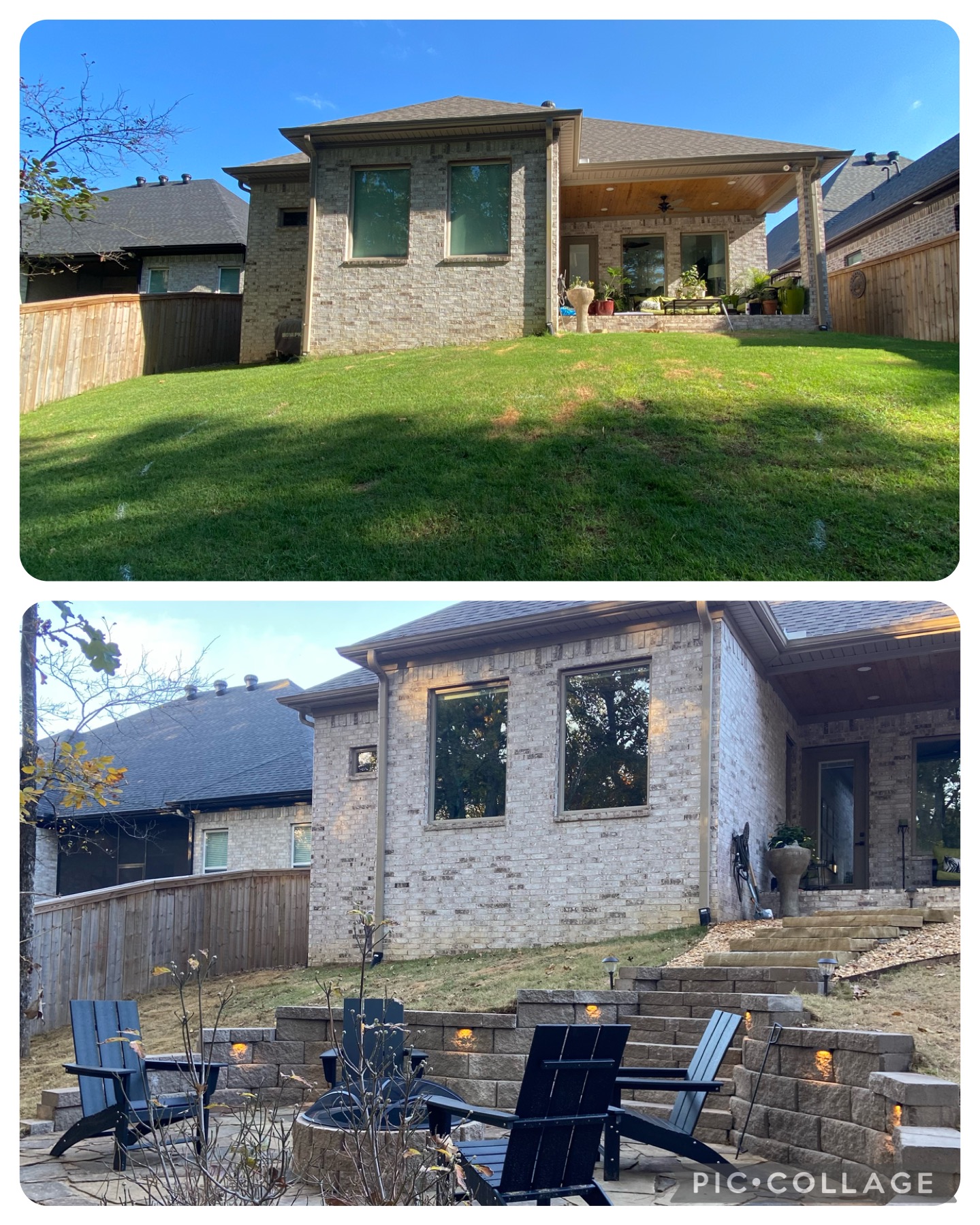
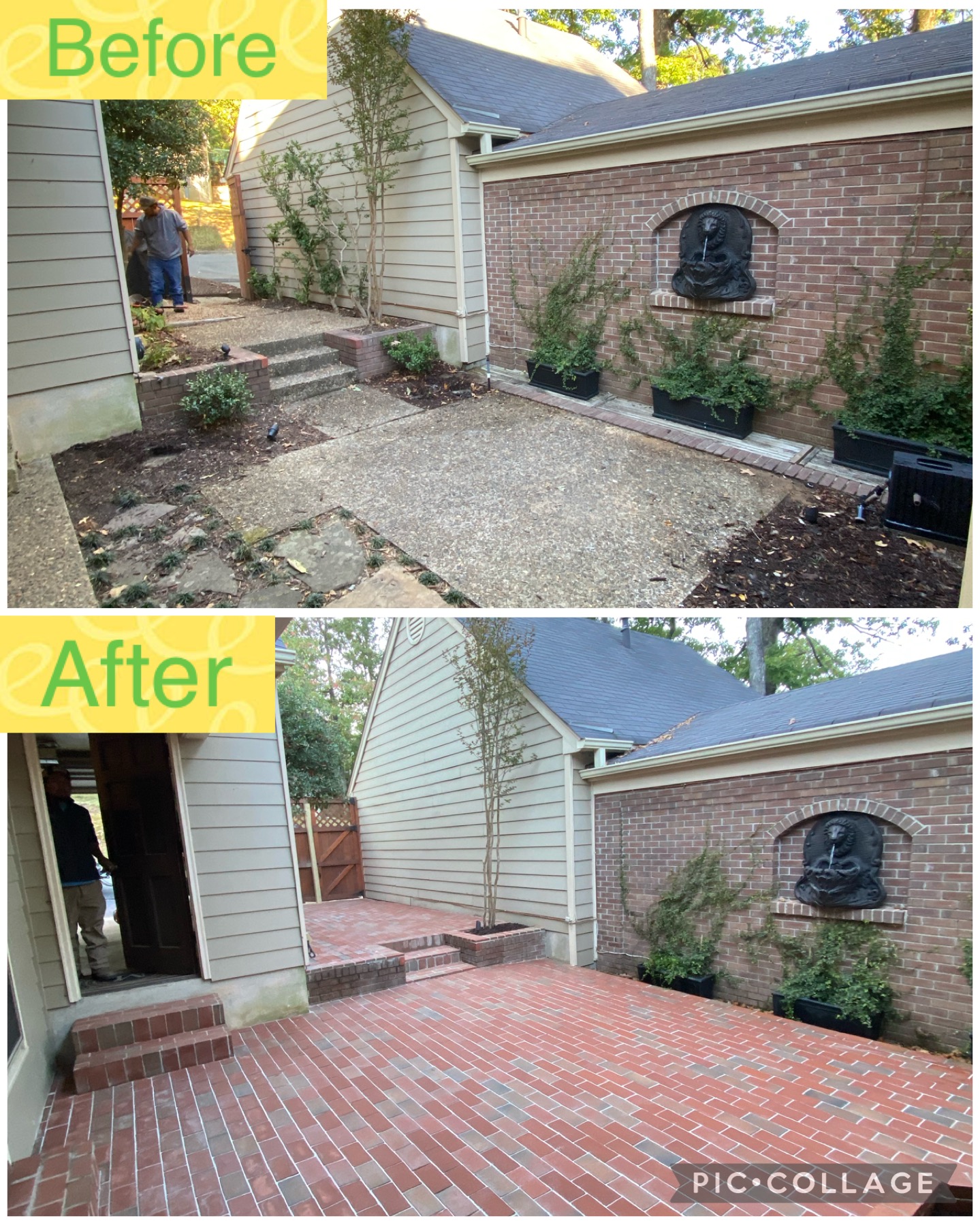
Frequently Asked Questions About Retaining Walls
What is the purpose of a retaining wall?
A retaining wall can help manage changes in elevation and create defined transitions between different landscape levels. Retaining walls may also be incorporated into planting areas, patios, walkways, and larger hardscape projects.
Can a retaining wall help with a sloped yard?
A retaining wall may be one option for managing or defining certain elevation changes. The appropriate approach depends on the slope, site conditions, drainage, and intended use of the area.
Is drainage important around retaining walls?
Yes. Water movement is an important consideration when designing and constructing retaining walls. The appropriate drainage strategy depends on the specific site and wall design.
Can retaining walls be combined with patios?
Yes. Retaining walls can be incorporated into patio and outdoor living projects, particularly where the surrounding landscape has elevation changes.
Can landscaping be added around retaining walls?
Yes. Planting beds, shrubs, lawn areas, and other landscape elements can be planned around retaining walls to integrate them with the overall outdoor design.
Should grading be considered before building a retaining wall?
Existing and proposed grades should be evaluated because the shape and elevation of the ground directly relate to many retaining wall projects.
Same Service We Provide In Your Nearby Area
Retaining Walls West Little Rock Arkansas
Retaining Walls North Little Rock Arkansas
Retaining Walls Bryant Arkansas
Retaining Walls Benton Arkansas
Retaining Walls Maumelle Arkansas
Other Services We Provide In Your Area
Hardscaping Little Rock Arkansas
Yard Grading Little Rock Arkansas
Drainage Solutions Little Rock Arkansas
Patio Installation Little Rock Arkansas
Landscape Construction Little Rock Arkansas
Plan Your Retaining Wall Project in Little Rock
A well-planned retaining wall can help organize changes in elevation while supporting the broader design and function of your landscape. Grading, drainage, patios, walkways, planting areas, and future outdoor improvements should all be considered when determining how the wall fits the property.
Exterior Solutions of Little Rock can help incorporate retaining walls into landscaping and hardscaping projects based on your property’s conditions and outdoor goals.