
Drainage Solutions in Little Rock Arkansas can help address standing water, unwanted runoff, wet lawn areas, and other water-management concerns around residential landscapes. Exterior Solutions of Little Rock provides drainage solutions as part of its landscaping services, with each property evaluated according to its layout, grading, landscape features, and water movement.
Effective drainage is not about moving water randomly from one part of the yard to another. The source of the water, existing slopes, low areas, soil conditions, downspouts, hard surfaces, landscaping, and nearby structures can all influence what is happening.
Understanding those conditions first makes it possible to determine which drainage approach is appropriate for the property.
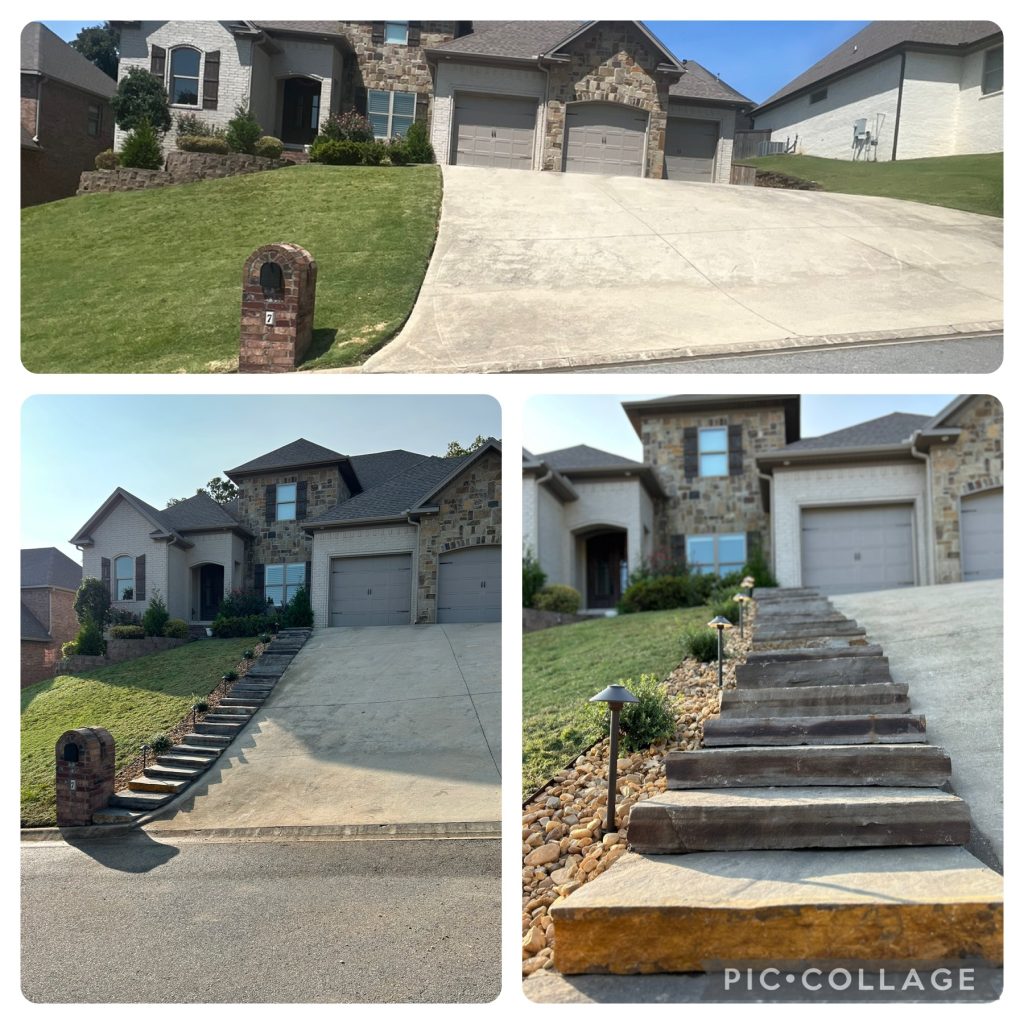
Address Water Problems Around Your Landscape
Water naturally moves through every outdoor environment, but problems can develop when it repeatedly collects in areas where it is not wanted.
You may notice standing water after rainfall, consistently wet lawn areas, runoff crossing a walkway or patio, or sections of the landscape that take longer to dry than surrounding areas.
These symptoms can have different causes.
A low area may collect surface water. A slope may direct runoff toward an inconvenient location. Hard surfaces can change how water moves through the property. Downspouts may also concentrate roof runoff into particular landscape areas.
Because the cause matters, drainage improvements should begin with an evaluation of the property rather than a one-size-fits-all solution.
Signs You May Need Drainage Solutions
Some drainage concerns are easy to notice, while others become apparent only during or after rainfall.
Standing Water in the Yard
Puddles that remain in low sections of the lawn can indicate that water is collecting faster than the area can manage it.
The appropriate response depends on why the water is accumulating. Grading, soil conditions, runoff from surrounding areas, and other factors may all contribute.
Consistently Wet Lawn Areas
A section of lawn that remains noticeably wetter than the rest of the yard may deserve closer evaluation.
The source may be surface runoff, irrigation, surrounding slopes, or another landscape condition. Identifying the likely source is important before deciding how the water should be managed.
Runoff Across Outdoor Areas
Water traveling across patios, pathways, lawn areas, or planting beds can interfere with how those spaces are used.
Existing grading and hardscape surfaces can influence the direction of runoff, so the entire area should be considered rather than focusing only on the point where water becomes visible.
Low Areas Around the Landscape
Depressions in the yard can naturally collect water.
Depending on the property, grading or another drainage strategy may be appropriate. Simply covering the area with new sod or landscaping may improve its appearance without addressing why water gathers there.
Property-Specific Drainage Planning
No two properties manage water in exactly the same way.
The size and shape of the yard, elevation changes, lawn areas, planting beds, patios, driveways, walkways, retaining walls, and structures all affect how water travels through the landscape.
That is why drainage planning should consider the property as a connected system.
A change made in one location can influence another part of the yard. Redirecting water away from one wet area without considering where that water will go may simply relocate the problem.
A thoughtful drainage plan considers both the immediate concern and how the proposed solution interacts with surrounding areas.
Yard Grading and Drainage
Grading and drainage are closely related.
Grading controls the shape and slope of the ground, while drainage improvements help manage water as it moves through the property.
If the ground directs water toward a low area, adjusting the grade may be one consideration. In other situations, a dedicated drainage feature may be more appropriate.
Some projects may require a combination of approaches.
Exterior Solutions also provides yard grading, allowing the shape of the property to be considered alongside other drainage improvements when appropriate.
French Drains and Drainage Systems
Depending on the conditions of a property, a drainage project may involve systems designed to collect and redirect unwanted water.
A French drain is one commonly used drainage approach. It generally uses a gravel-filled trench and perforated pipe to collect subsurface or surface water and direct it toward an appropriate discharge location.
However, a French drain is not automatically the correct answer for every wet yard.
The source of the water and conditions of the property should first be evaluated. Other drainage approaches may be more suitable depending on where the water originates and how it needs to move.
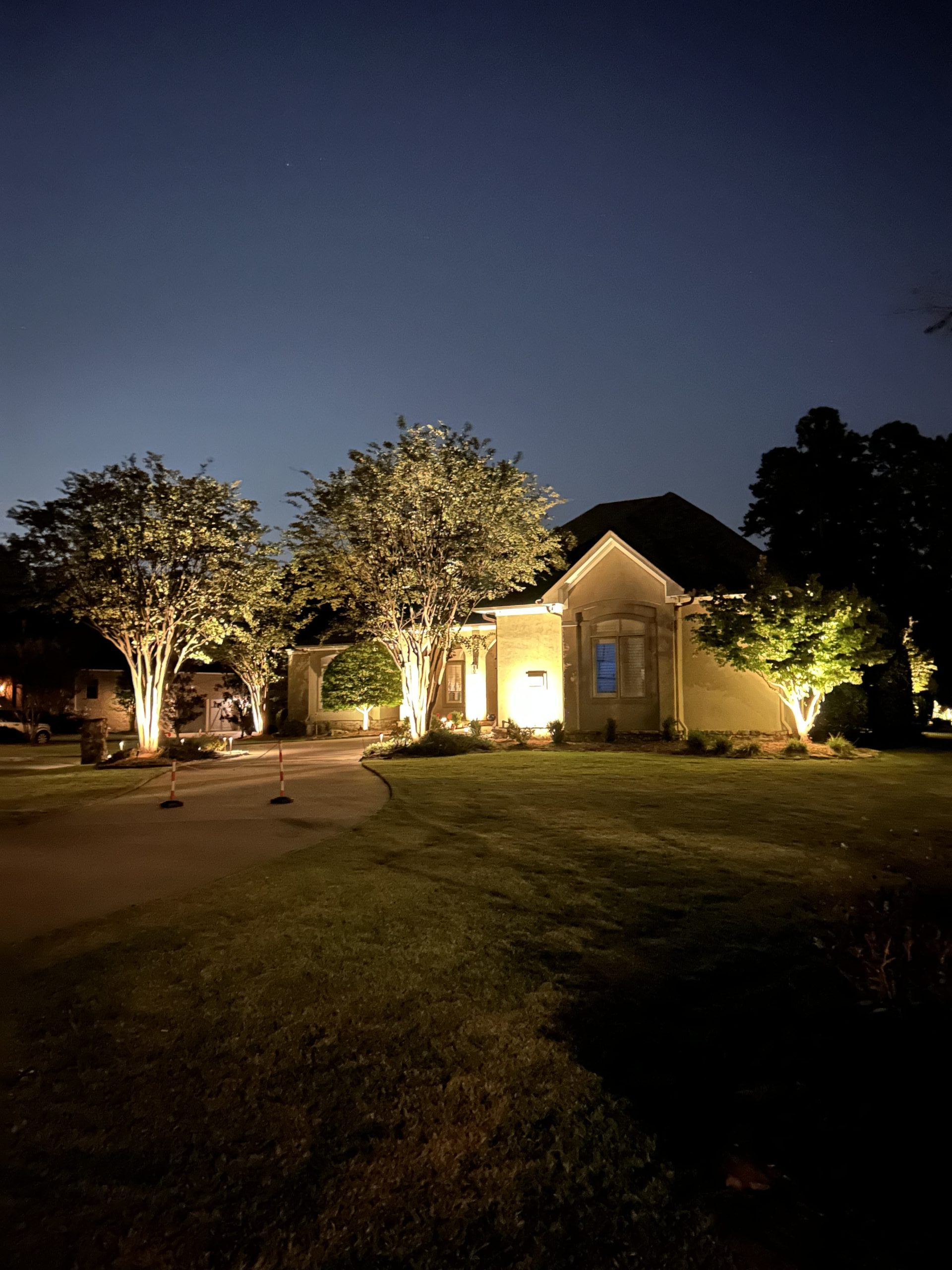
Managing Downspout and Roof Runoff
Roof runoff can introduce a significant amount of water into concentrated areas around a property.
Downspouts discharge this water at specific points. If those locations are poorly positioned or surrounding ground does not move water appropriately, nearby landscape areas may become excessively wet.
A drainage evaluation can consider how downspout water interacts with the surrounding yard.
The objective is not simply to move water a few feet away. The final discharge location and the route water takes through the property also need to make sense.
Drainage Around Patios and Hardscaping
Patios, walkways, driveways, and other hard surfaces influence how water moves because they do not function like planted or lawn areas.
When a new patio or hardscape feature is installed, surrounding drainage should therefore be considered during planning.
Existing hardscape can also influence drainage problems.
Water may travel along the edge of a surface, collect where hardscape meets lawn, or follow changes in elevation around constructed features.
Evaluating the relationship between hardscaping and the surrounding landscape can help determine whether drainage improvements should be incorporated into a larger outdoor project.
Drainage and Retaining Walls
Retaining walls are often associated with changes in elevation, which means drainage deserves attention when these features are part of the landscape.
Water movement behind and around retaining structures should be considered during proper design and installation.
If a property already contains retaining walls and nearby drainage concerns, the relationship between the wall, surrounding grade, and water movement may need evaluation.
For new landscape projects, retaining walls, grading, and drainage can be planned together so each feature supports the broader outdoor design.
Drainage Before Sod Installation
Installing fresh sod can improve the appearance of a lawn quickly, but new grass does not automatically solve underlying drainage problems.
If an area regularly holds standing water or remains unusually wet, it is useful to evaluate those conditions before installing sod.
Otherwise, the new lawn may simply cover the visible ground while the original water-management issue remains.
When drainage, grading, and sod installation are part of the same project, addressing site preparation first can provide a more logical sequence for the landscape improvements.
Irrigation and Landscape Drainage
Irrigation and drainage affect opposite sides of water management.
Irrigation intentionally adds water to lawns and planting areas, while drainage helps manage water that needs to move away from unwanted locations.
An irrigation system that applies unnecessary water can contribute to persistently wet landscape areas. At the same time, drainage concerns caused by rainfall will not necessarily be solved by changing irrigation.
Both systems should be considered when diagnosing wet areas.
Exterior Solutions provides irrigation services in addition to drainage and grading, allowing different parts of landscape water management to be evaluated within the broader property plan.
Drainage as Part of Landscape Design
Drainage is often easier to consider before a major landscape renovation than after all other improvements have been completed.
New planting beds, sod, patios, walkways, retaining walls, and outdoor living spaces can affect the way water moves through the property.
When drainage is considered during landscape planning, these features can be coordinated more effectively.
This does not mean every landscape project requires a complex drainage system. It means existing water conditions should be understood before changes are made that could affect them.
What to Consider Before a Drainage Project
Before discussing drainage improvements, observe what happens around the property during and after rainfall.
Notice where water first appears, which direction runoff travels, how long wet areas remain, and whether particular hardscape or landscape features appear to influence the problem.
Useful details can include:
-
Locations where water regularly collects
-
Direction of visible runoff
-
Low or uneven lawn areas
-
Existing slopes
-
Downspout discharge locations
-
Patios and walkways
-
Retaining walls
-
Existing irrigation
-
Recent landscape changes
-
Planned future improvements
These observations can provide useful context when the property is evaluated.
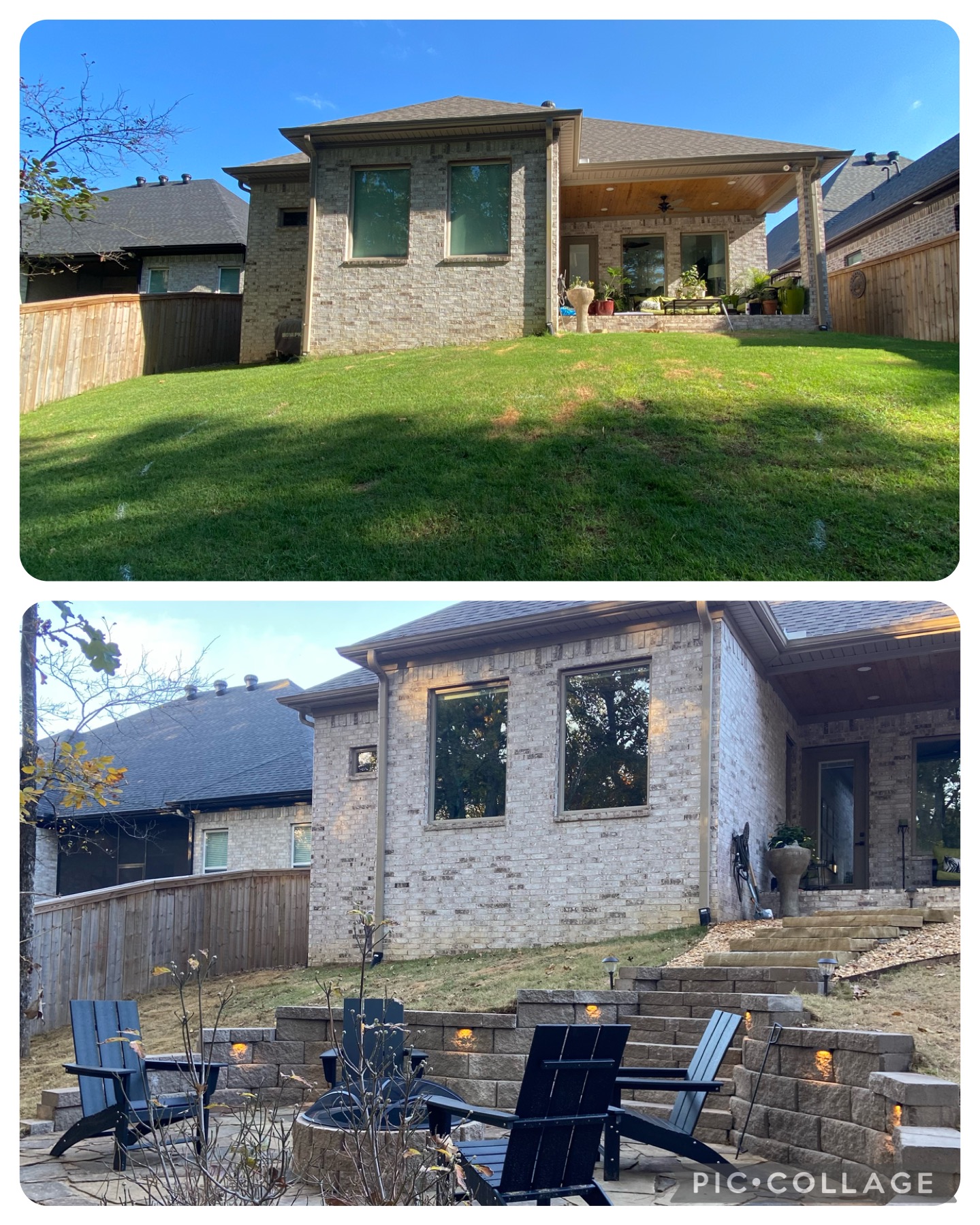
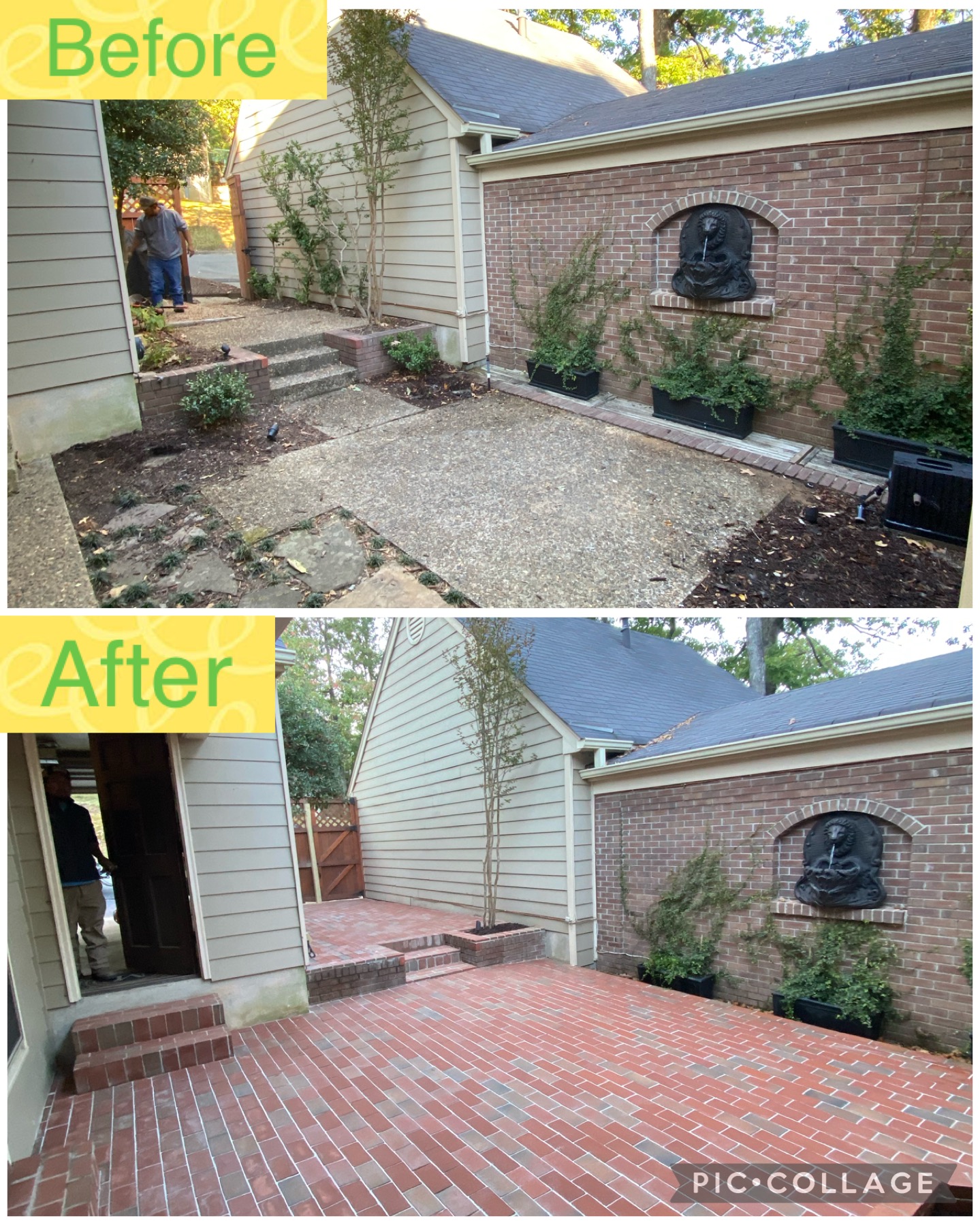
Frequently Asked Questions About Drainage Solutions
What causes standing water in a yard?
Standing water can have several possible causes, including low areas, grading conditions, concentrated runoff, soil conditions, downspouts, hard surfaces, or combinations of multiple factors. The property should be evaluated before choosing a solution.
Can yard grading improve drainage?
Grading can be part of a drainage solution when the shape or slope of the ground contributes to unwanted water collection. However, not every drainage problem can be corrected through grading alone.
What is a French drain?
A French drain generally consists of a gravel-filled trench containing perforated pipe that collects water and redirects it to an appropriate location. Whether one is suitable depends on the property’s specific drainage conditions.
Should drainage be addressed before installing sod?
If the proposed lawn area has existing drainage problems, evaluating them before sod installation can help avoid covering an unresolved issue with new grass.
Can patios affect yard drainage?
Yes. Patios and other hard surfaces can influence how runoff moves through a landscape. Drainage should therefore be considered when planning new hardscaping.
Should irrigation be checked when part of my yard stays wet?
Yes. Irrigation may be one possible source of excess water, although rainfall, grading, runoff, and other conditions can also contribute. Identifying the source is important before choosing a solution.
Same Service We Provide In Your Nearby Area
Drainage Solutions West Little Rock Arkansas
Drainage Solutions North Little Rock Arkansas
Drainage Solutions Bryant Arkansas
Drainage Solutions Benton Arkansas
Drainage Solutions Maumelle Arkansas
Other Services We Provide In Your Area
Yard Grading Little Rock Arkansas
Landscaping Little Rock Arkansas
Sod Installation Little Rock Arkansas
Retaining Walls Little Rock Arkansas
Irrigation Little Rock Arkansas
Find the Right Drainage Solution for Your Property
Water problems can have different causes, so an effective solution starts with understanding how water moves through your property. Grading, low areas, hardscaping, downspouts, irrigation, and existing landscaping can all influence drainage conditions.
Contact Exterior Solutions of Little Rock to discuss the drainage concerns around your property and determine the next appropriate step.