
Patio Installation in Little Rock Arkansas can turn an underused part of your yard into a comfortable and practical space for relaxing, dining, entertaining, and spending time outdoors. Exterior Solutions of Little Rock provides patio installation as part of its hardscaping and landscaping services, helping homeowners plan outdoor areas that connect naturally with their homes and surrounding landscapes.
A well-planned patio is more than a hard surface in the backyard. Its location, size, shape, access, surrounding landscaping, drainage, and connection with other outdoor features all influence how useful the finished space will be. Planning these details before installation can help create a patio that fits both your property and the way you want to enjoy it.
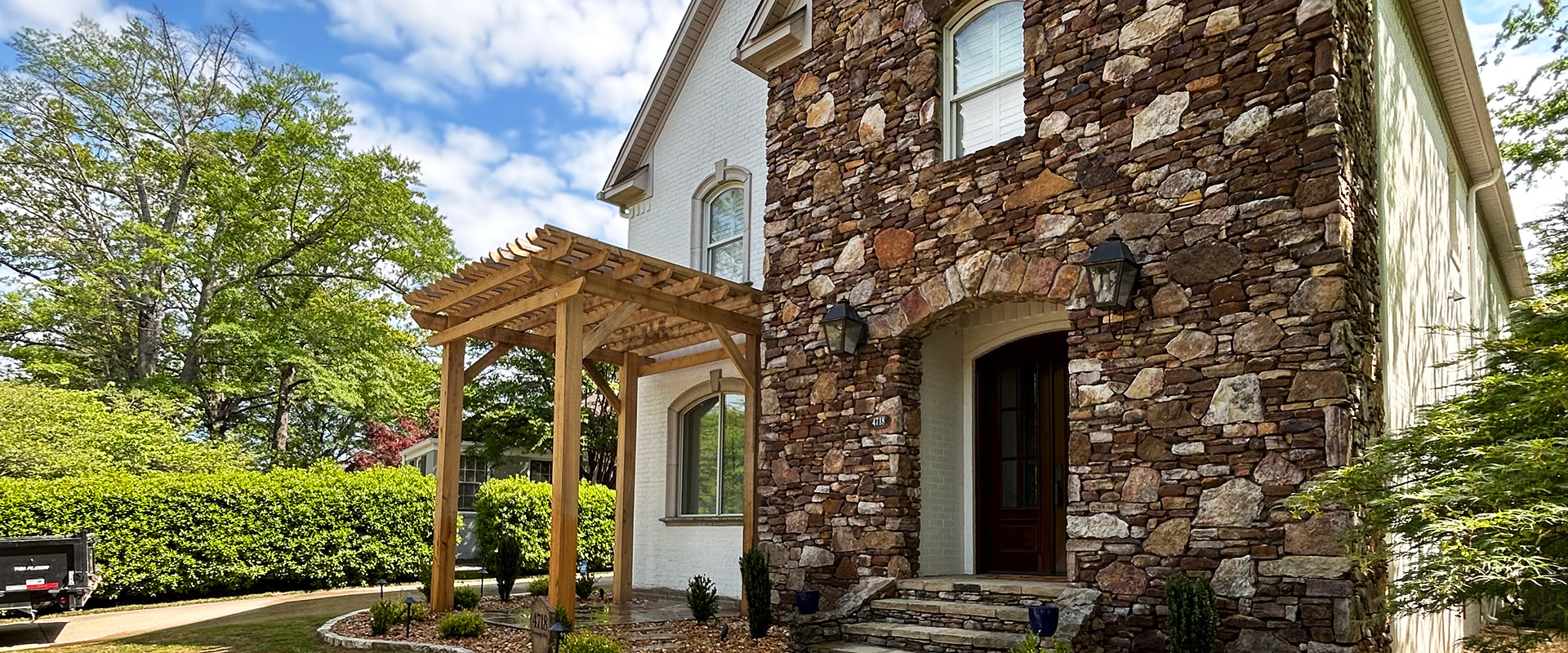
Create a Patio That Fits Your Outdoor Lifestyle
Every homeowner uses outdoor space differently. Some people want a patio primarily for outdoor dining, while others need a comfortable gathering area for family and friends. A patio can also become the foundation for a larger outdoor living environment.
The design should begin with how you intend to use the space. Furniture arrangements, walking areas, access from the home, surrounding lawn, and future outdoor improvements can all affect the appropriate patio layout.
Instead of choosing a size or shape without considering the rest of the property, look at the patio as one part of the complete landscape.
Planning Patio Installation in Little Rock
Successful patio installation starts with careful planning. Existing landscape conditions can influence where the patio should be positioned and how it should connect with other areas.
Choosing the Right Patio Location
Location can affect how convenient the patio is for everyday use.
A patio designed for dining or entertaining may benefit from convenient access to the home. A separate relaxation area may work better in another section of the property depending on the yard’s layout.
Existing pathways, planting areas, trees, lawn sections, and other landscape features should also be considered before determining the final location.
Choosing the Right Patio Size
A patio should provide enough room for its intended activities without taking over more of the landscape than necessary.
Think about the furniture you plan to use. Tables, chairs, grills, and seating arrangements require additional room for people to move comfortably around them.
Planning furniture placement before finalizing the patio dimensions can help create a more functional finished area.
Connecting the Patio to Your Landscape
The transition between the patio and surrounding landscape is another important design consideration.
Planting beds, lawn areas, pathways, retaining walls, and landscape lighting can help connect a patio visually with the rest of the property.
A coordinated design can make the patio feel like an intentional extension of the landscape rather than a separate feature added afterward.
Patio Materials and Overall Design
The appearance of a patio is influenced by its materials, pattern, shape, texture, and relationship with the home.
Material selection should consider the overall character of the property. The patio does not necessarily need to match every existing outdoor surface, but the different elements should work together visually.
Nearby walkways, retaining walls, steps, planting areas, and architectural details can provide useful direction when developing the patio design.
A simple design may be appropriate for one property, while another outdoor area may benefit from more defined borders, curves, transitions, or connections to additional hardscape features.
Build a Complete Outdoor Living Space
A patio can serve as the starting point for a larger outdoor living area.
Exterior Solutions includes outdoor kitchens, fire pits, pergolas, and seating areas among the outdoor living features available through its landscaping services. These elements can be planned around a patio to create different areas for gathering, cooking, dining, and relaxing.
Planning multiple features together can also improve the overall layout.
For example, a dining area needs enough space for chairs to move around a table. A seating area requires comfortable circulation around furniture. Pathways should connect different areas without cutting awkwardly through gathering spaces.
Thinking about these relationships before installation can help create an outdoor space that works as a whole.
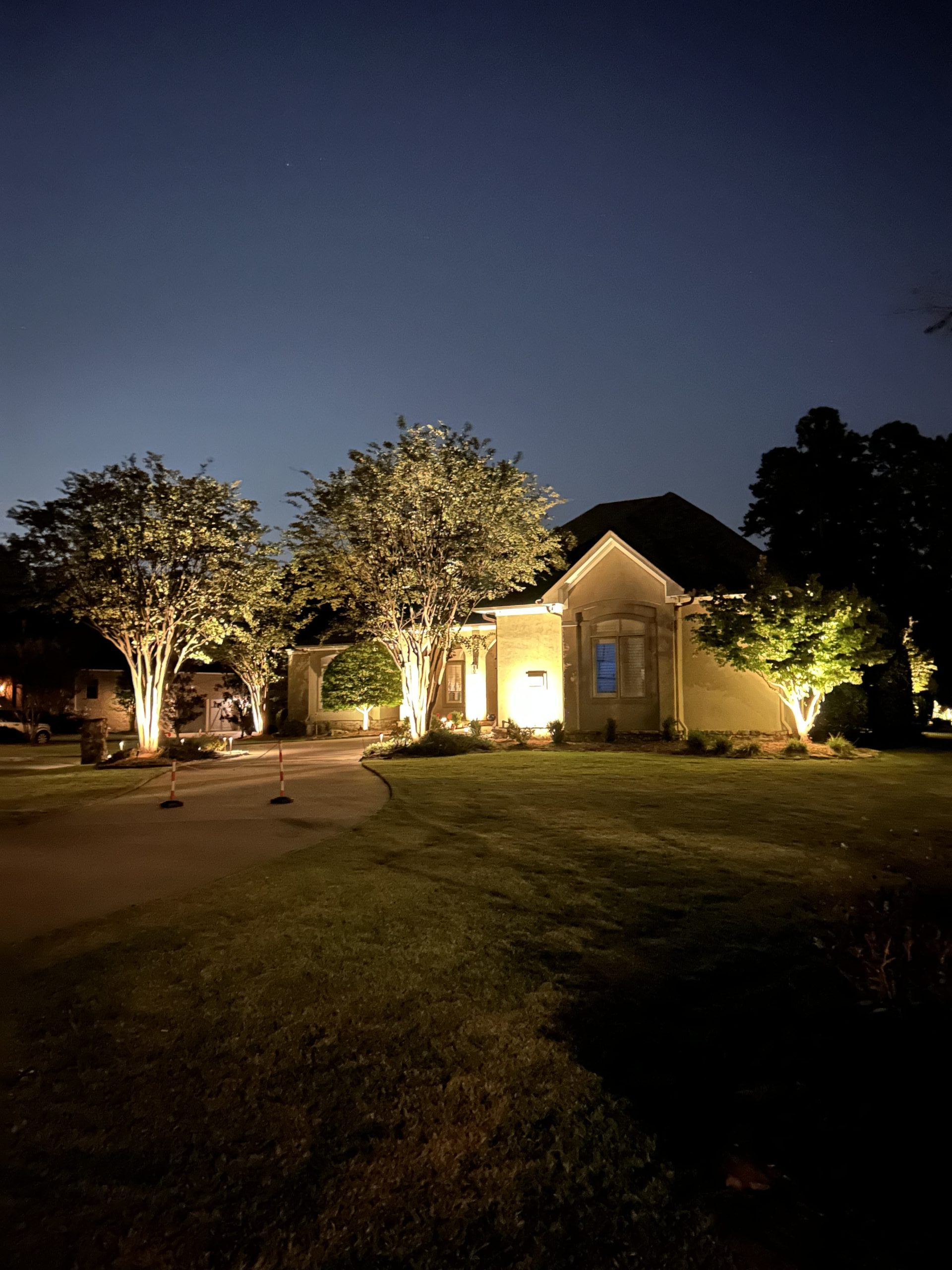
Combine Patio Installation With Landscaping
Landscaping can help a patio blend naturally into the yard.
Planting beds around patio edges can soften the transition between hard surfaces and lawn areas. Trees, shrubs, flowers, and other landscape elements can also help frame outdoor gathering areas.
Exterior Solutions provides residential landscaping along with hardscaping services, allowing patio improvements to be considered alongside the rest of the property.
This can be especially valuable when the patio is part of a larger landscape renovation.
Instead of planning the patio first and trying to fit landscaping around it later, both elements can be considered as parts of the same outdoor environment.
Walkways and Patio Access
A patio should be easy to reach from the areas people use most often.
Depending on the property’s layout, walkways may connect the patio with the home, driveway, garden, lawn, outdoor living area, or another section of the landscape.
These connections help guide movement through the yard.
Walkway materials and design can also be coordinated with the patio so the different hardscape features feel visually related.
When planning access, consider how guests and household members will naturally move through the property instead of creating routes that feel inconvenient.
Consider Drainage Before Patio Installation
Drainage deserves attention whenever a new hard surface is introduced into a landscape.
Existing slopes, low areas, nearby structures, planting beds, and other hardscape surfaces can influence how water moves through the property.
Exterior Solutions provides drainage solutions and yard grading in addition to landscaping and hardscaping services. These conditions can therefore be considered when they are relevant to the patio project.
Evaluating the property before installation can help determine how the proposed patio fits into the existing landscape.
Drainage should be part of the planning process rather than something considered only after the patio is completed.
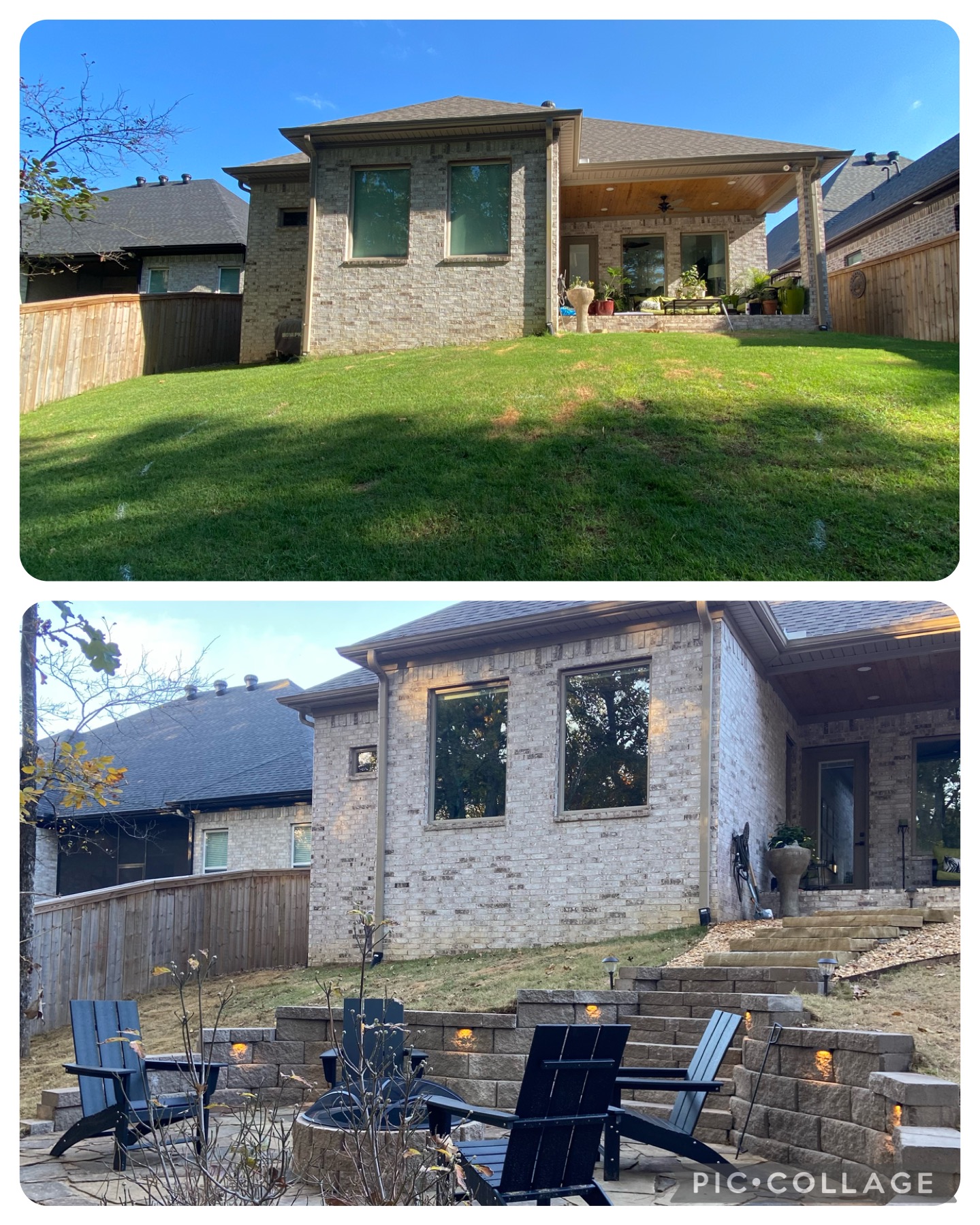
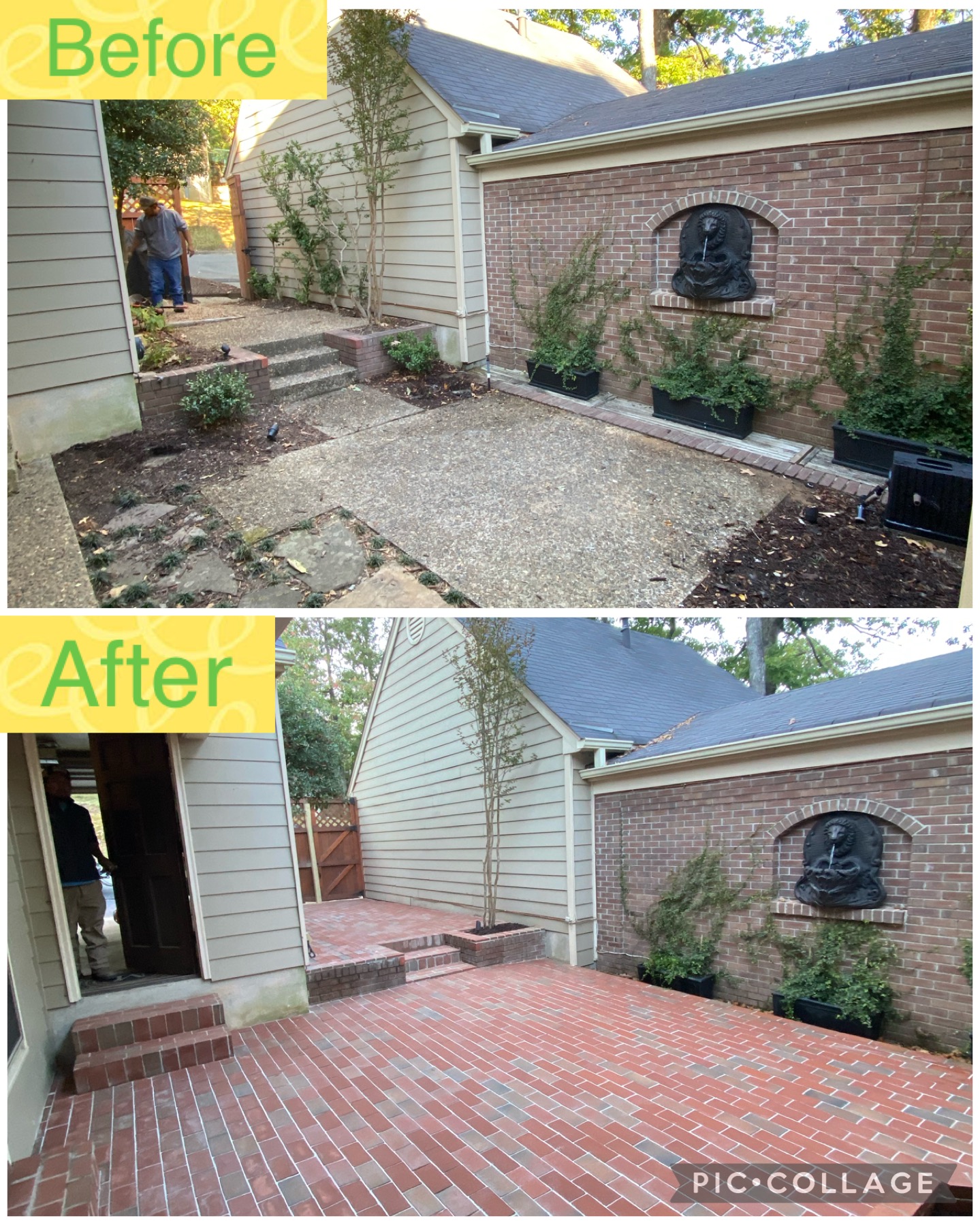
Patio Installation and Yard Grading
Changes in elevation can influence patio design.
Some properties have relatively level areas that can accommodate a straightforward layout, while others may have slopes or transitions that require additional consideration.
Grading can affect how the patio relates to nearby lawn areas, pathways, planting beds, and drainage patterns.
Where elevation changes are significant, retaining features may also become relevant to the overall landscape design.
The appropriate solution depends on the individual property, so site conditions should be evaluated before deciding on the final layout.
Add Landscape Lighting Around Your Patio
A patio can remain useful after sunset when lighting is incorporated thoughtfully.
Landscape lighting may be used around patios, pathways, steps, gardens, and other outdoor areas. Functional lighting can help people navigate the space, while accent lighting can highlight nearby landscape or architectural features.
The goal does not have to be maximum brightness.
Carefully positioned lighting can create a more comfortable nighttime environment while supporting visibility in important areas.
If lighting is part of your outdoor plan, considering it alongside patio installation can help coordinate fixture placement with seating areas, pathways, planting beds, and other features.
Plan for Future Outdoor Improvements
Your patio may be the first stage of a larger outdoor project.
Even if you are not currently adding an outdoor kitchen, pergola, fire feature, landscape lighting, or additional landscaping, it can be helpful to think about what you may want later.
Future plans can influence patio size, placement, circulation, and surrounding landscape design.
Planning with those possibilities in mind may help create a more flexible outdoor area and reduce the need to rethink the layout when additional improvements are added.
What to Consider Before Starting a Patio Project
Before discussing patio installation, think about what you want the finished space to accomplish.
Consider how many people will normally use the area and whether your main priority is dining, entertaining, relaxing, or creating a multi-purpose outdoor environment.
Also consider:
- Available space in the yard
- Access from the home
- Furniture and seating needs
- Existing pathways and hardscapes
- Surrounding lawn and planting areas
- Drainage and grading conditions
- Landscape lighting
- Existing trees and landscape features
- Future outdoor living improvements
Having a clear idea of your priorities can make it easier to develop a patio plan that works with your property.
Frequently Asked Questions About Patio Installation
What should I consider when planning a new patio?
Consider how you want to use the patio, available space, furniture requirements, access from the home, surrounding landscaping, pathways, drainage, grading, lighting, and any outdoor features you may want to add later.
Can a patio be incorporated into an existing landscape?
Yes. Patio design can take existing lawn areas, planting beds, trees, walkways, and other landscape features into consideration so the new area works with the rest of the property.
Can a patio be part of an outdoor living space?
Yes. A patio can provide the main surface for an outdoor living area and can be coordinated with seating, outdoor kitchens, fire features, pergolas, landscaping, and lighting.
Should drainage be considered before installing a patio?
Yes. A new hard surface can affect how water moves around a property, so existing grading and drainage conditions should be considered during planning.
Can landscape lighting be added around a patio?
Yes. Lighting can be used around patios, walkways, steps, planting areas, and other outdoor features to improve nighttime visibility and create a more inviting setting.
Can retaining walls be combined with patio installation?
Retaining walls may be incorporated when changes in elevation or the overall landscape design make them appropriate. The exact approach depends on the conditions of the property.
Same Service We Provide In Your Nearby Area
Patio Installation West Little Rock Arkansas
Patio Installation North Little Rock Arkansas
Patio Installation Bryant Arkansas
Patio Installation Benton Arkansas
Patio Installation Maumelle Arkansas
Other Services We Provide In Your Area
Hardscaping Little Rock Arkansas
Landscape Design Little Rock Arkansas
Retaining Walls Little Rock Arkansas
Landscape Lighting Little Rock Arkansas
Outdoor Living Spaces Little Rock Arkansas
Start Planning Your Patio in Little Rock
A thoughtfully planned patio can give your property a defined place for dining, relaxing, entertaining, and enjoying the outdoors. Considering the patio together with landscaping, pathways, drainage, grading, lighting, and future outdoor improvements can create a more cohesive finished space.
Exterior Solutions of Little Rock provides patio installation as part of its landscaping and hardscaping services. Contact the team to discuss your property and the type of outdoor space you would like to create.